
Massachusetts Requires PIP Unless You Reject It
You are registering a vehicle in Massachusetts and the carrier is asking whether you want Personal Injury Protection. The form makes it sound optional, but the state actually requires PIP on every policy unless you actively reject it in writing. This is not a coverage you simply leave blank — Massachusetts law mandates that every driver either carry PIP or sign a rejection form acknowledging they are declining it.
Massachusetts operates under a unique PIP structure. The state requires carriers to offer PIP to every policyholder, and the coverage automatically applies unless you submit a written rejection. This means PIP is the default: if you do nothing, you have it. If you want to decline it, you must complete a rejection form provided by your carrier, and that rejection applies to every vehicle on your policy.
Compare car insurance rates in your state
Get quotes from licensed carriers — no obligation, no spam, results in minutes.
Get Your Free QuoteMassachusetts Minimum PIP Coverage
This coverage pays for your medical expenses, lost wages, and replacement services regardless of who caused the accident, and it applies to every person insured under your policy.
Massachusetts General Laws Chapter 90, Section 34A
What PIP Covers in Massachusetts
PIP pays for medical expenses, lost wages, and replacement services for you and anyone covered under your policy, regardless of who caused the accident.
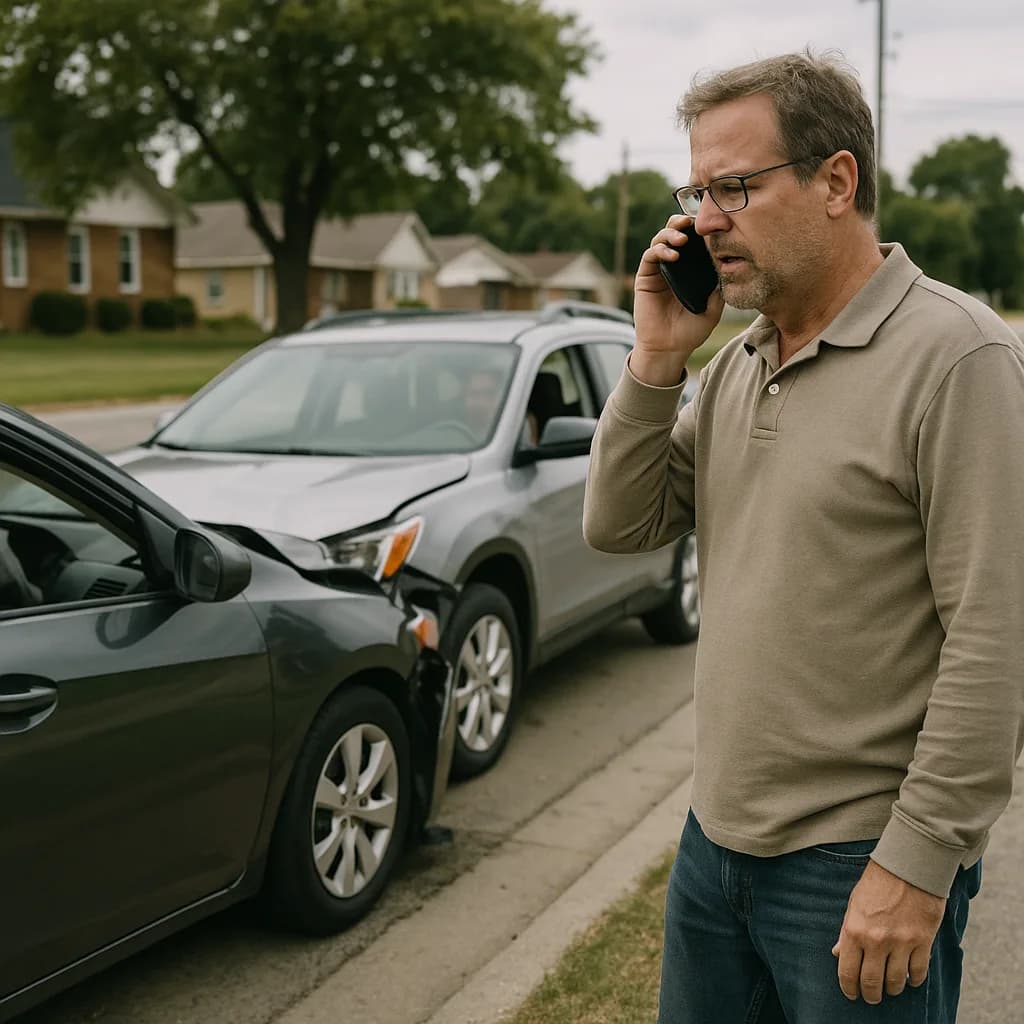
PIP applies immediately after an accident without requiring a liability determination. You file a claim with your own carrier, and the coverage pays within the policy limits before any other insurance applies. This is critical in Massachusetts because the state uses a modified comparative negligence system: if you are partially at fault, PIP ensures your immediate medical expenses are covered while liability is sorted out.
The coverage extends to household members listed on your policy and passengers in your vehicle at the time of the accident. If you have multiple vehicles on one policy, PIP applies to all of them under the same limit structure unless you reject it for the entire policy.
Rejecting PIP removes first-party medical coverage for every vehicle and driver on your policy. You cannot reject it for one car and keep it for another.
How to Reject PIP in Massachusetts

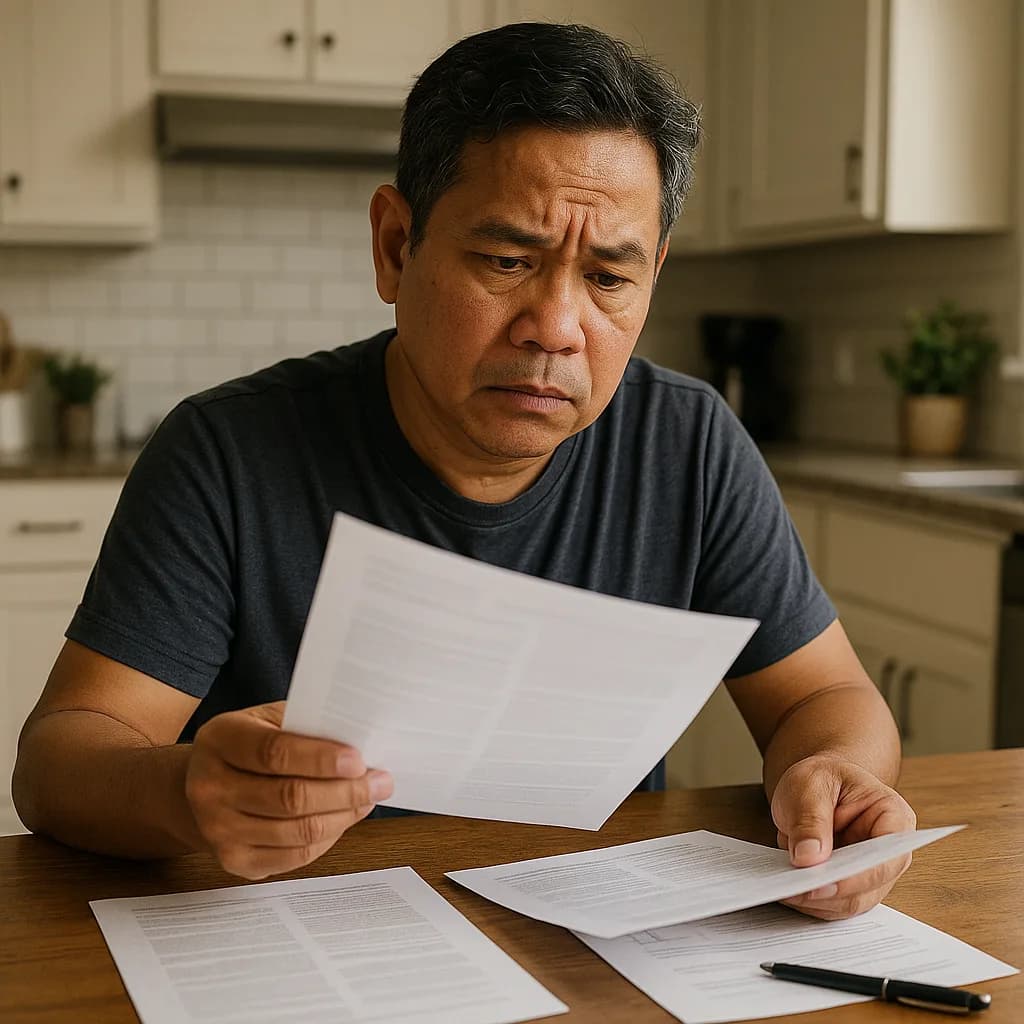
Your carrier must provide a PIP rejection form when you purchase or renew a policy. The form explains what you are declining and requires your signature. Once signed and submitted, the rejection applies to every vehicle on your policy and to every driver listed under that policy. You cannot selectively reject PIP for one vehicle while keeping it for another — it is an all-or-nothing decision at the policy level.
The rejection remains in effect for as long as your policy is active and renews. If you later decide you want PIP, you must submit a written request to your carrier to add it back. Most carriers allow you to add PIP at renewal or mid-term, but the coverage will not apply retroactively to any accidents that occurred while the rejection was in force.
Related Articles



What Happens If You Reject PIP
Rejecting PIP means you lose first-party medical coverage for accidents involving your vehicles. If you are injured in an accident, your health insurance becomes the primary payer for medical expenses, and you must rely on the at-fault driver's liability coverage for any costs your health plan does not cover. If the other driver is uninsured or underinsured, you have no automatic medical coverage through your auto policy.
This creates a gap for households with multiple vehicles. If one driver in your household is injured while driving any vehicle on the policy, there is no PIP to cover immediate medical costs. You are responsible for coordinating claims through your health insurer, and any out-of-pocket costs not covered by health insurance must be recovered through a liability claim against the at-fault driver. That process can take months, and if the at-fault driver has minimal liability limits, you may not recover the full amount.
Massachusetts does require Uninsured Motorist coverage, which provides some protection if the at-fault driver has no insurance. However, UM coverage does not replace PIP's immediate medical payment function — it covers damages after liability is established, not your immediate medical bills.
Massachusetts Uninsured Motorist Rate
7.9%
Approximately 7.9% of Massachusetts drivers are uninsured. If you reject PIP and are hit by an uninsured driver, your health insurance becomes the primary payer for medical expenses, and you must pursue recovery through your Uninsured Motorist coverage after liability is determined.
Insurance Research Council, 2023
PIP and Health Insurance Coordination
If you carry PIP, it pays first before your health insurance applies. This means your auto policy covers the immediate medical costs up to the PIP limit, and your health insurer only pays for expenses that exceed that limit. If you reject PIP, your health insurance becomes the primary payer, and you are responsible for any deductibles, copays, or out-of-pocket maximums under your health plan.
For households with high-deductible health plans, rejecting PIP shifts the financial burden of accident-related medical costs onto your health plan's deductible structure. PIP would have covered those costs immediately, without requiring you to meet a deductible first.
Compare Carriers That Write Multi-Vehicle Policies
Massachusetts has 12 carriers writing auto insurance in the state, and PIP is structured the same way across all of them: mandatory unless rejected in writing. The decision to keep or reject PIP does not vary by carrier, but the cost of PIP does. If you are insuring multiple vehicles, compare how each carrier prices PIP for your household and whether the coverage fits your health insurance structure.
Carriers writing multi-vehicle policies in Massachusetts include Geico, Progressive, State Farm, Allstate, Liberty Mutual, and others. Each prices PIP differently based on your driving history, vehicle count, and location. Request quotes with and without PIP to see the cost difference, then weigh that difference against your health insurance deductible and out-of-pocket maximum. If your health plan has a high deductible, keeping PIP may cost less than paying the first several thousand dollars of medical expenses out of pocket after an accident.