
National General Car Insurance — Massachusetts
Free to compare
National General Writes Standard-Tier Coverage in Massachusetts
You own two or more vehicles in Massachusetts and need to know whether National General writes multi-car policies in the state, what tier the carrier sits in, and how adding a second or third vehicle changes your premium. National General operates in Massachusetts as a standard-tier carrier with online quoting, writing coverage for households that need SR-22 filing, non-owner policies, or post-DUI insurance. The carrier is part of the Allstate group and carries an AM Best A+ rating.
The structural question households face: National General writes standard-tier coverage, which means the carrier prices for drivers who do not qualify for preferred-tier rates but do not need non-standard specialty coverage either. When you add a vehicle to an existing National General policy, the entire policy re-rates based on the new vehicle count, the vehicles' garaging address, and each driver's record. The multi-car discount applies when every vehicle sits on the same policy, but the discount percentage and the base rate both vary by household composition.
“National General re-rates the entire policy when you add a vehicle mid-term — the new premium reflects combined risk, not a flat per-vehicle add.”

Compare Massachusetts Car Insurance Quotes Today
Get My Massachusetts Car Insurance Quote12 carriers
MA Standard-Tier Roster
Twelve carriers write standard-tier auto insurance in Massachusetts with online quoting, including National General, Geico, Progressive, and Farmers. Households comparing multi-vehicle coverage can quote all twelve to see which carrier's base rate and multi-car discount combination produces the lowest combined premium.
Massachusetts carrier roster, 2025
Massachusetts Requires Liability, PIP, and Uninsured Motorist Coverage
Massachusetts operates a compulsory insurance model. Every registered vehicle must carry liability coverage with minimum limits of $25,000 per person for bodily injury, $50,000 per accident for bodily injury, and $30,000 for property damage. The state also mandates personal injury protection and uninsured motorist coverage on every policy.
National General writes policies that meet these minimums, but the carrier also writes full coverage with collision and comprehensive for households that finance vehicles or want protection beyond liability. When you add a second vehicle, you choose whether the new car carries liability only or full coverage. That choice re-rates the entire policy because the carrier recalculates risk across all vehicles and drivers.
The multi-car discount applies to the combined premium, not to each vehicle individually. A household with two vehicles on one National General policy pays less than the same household would pay for two separate single-vehicle policies, but the discount percentage varies by the vehicles' year, make, model, and garaging location.
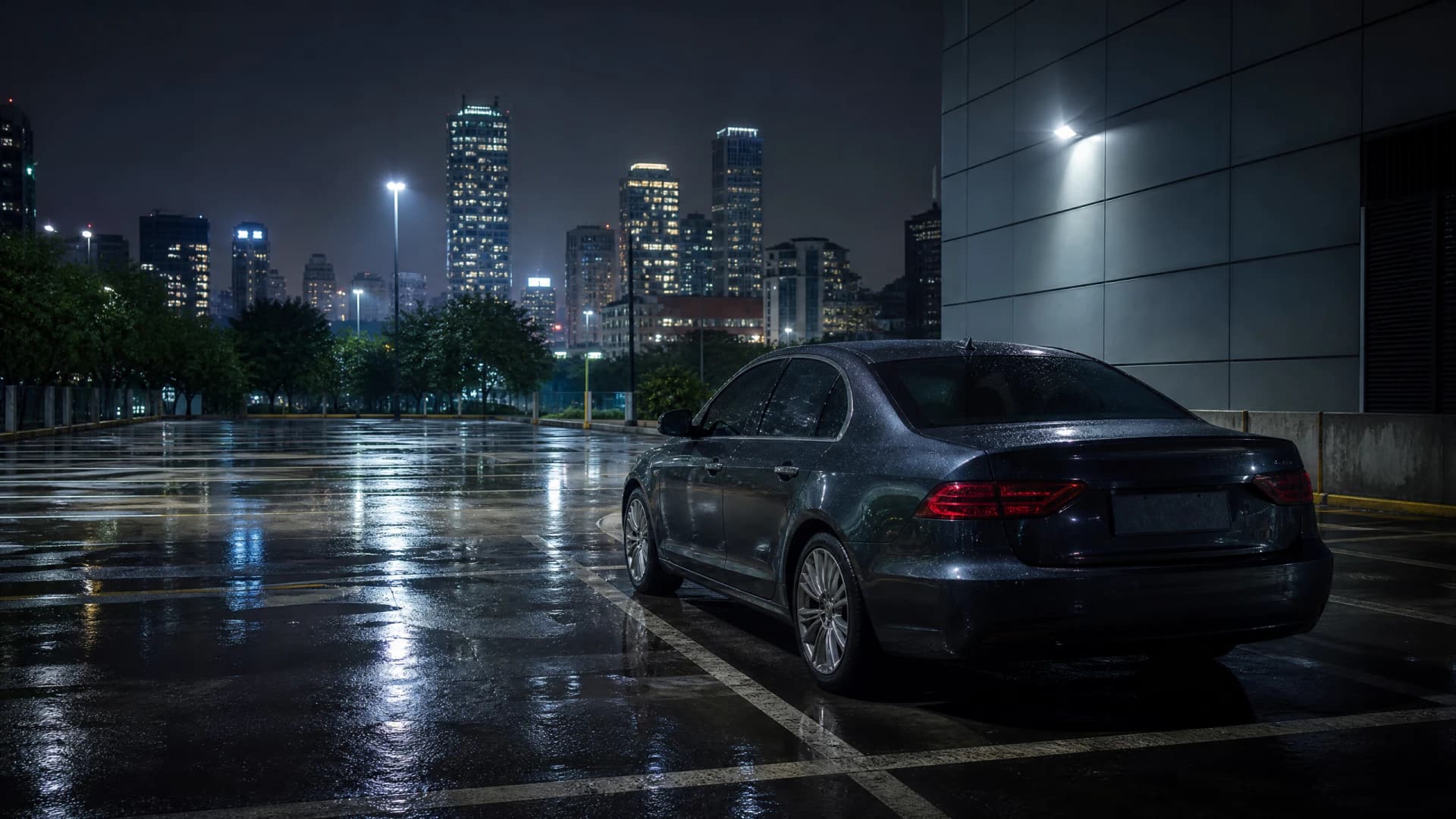
National General re-rates the entire policy when you add a vehicle mid-term. The new premium reflects the combined risk of all vehicles and drivers, not a flat per-vehicle add.
Related Articles

Best Car Insurance for Multiple Vehicles MA
7/15/2026

Licensed MA Car Insurance Carriers
7/15/2026

Allstate Multi-Car Coverage in Massachusetts
7/15/2026

Choosing Car Insurance in Massachusetts
7/15/2026

Best Cheap Multi-Car Insurance Massachusetts
7/15/2026

Liberty Mutual Car Insurance in Massachusetts
7/15/2026

Comparing National General to Preferred-Tier Carriers
National General sits in the standard tier, which means the carrier writes coverage for drivers who do not qualify for preferred-tier rates. Preferred-tier carriers such as State Farm, USAA, and Amica write multi-vehicle policies for households with clean driving records, good credit, and no recent claims. Standard-tier carriers write for households that have one or more drivers with a recent violation, a lapse in coverage, or a credit profile that disqualifies them from preferred pricing.
The structural reality: a standard-tier carrier's base rate is higher than a preferred-tier carrier's base rate, but the multi-car discount percentage can vary in the opposite direction. A household with two vehicles might see a larger discount percentage from National General than from a preferred-tier carrier, but the final combined premium still depends on which carrier's base rate and discount combination produces the lower total. The only way to know is to quote both tiers.
Households that qualify for preferred-tier coverage should compare National General's quote to quotes from State Farm, Amica, and USAA. Households that do not qualify for preferred pricing should compare National General to other standard-tier carriers such as Geico, Progressive, and Farmers. The carrier tier matters less than the final combined premium for all vehicles on the policy.
$25,000 / $50,000 / $30,000
MA Minimum Liability Limits
Massachusetts requires $25,000 per person and $50,000 per accident for bodily injury liability, plus $30,000 for property damage.
Massachusetts Registry of Motor Vehicles

When National General Works for Multi-Vehicle Households
National General writes coverage for households that need standard-tier pricing, SR-22 filing, or post-DUI insurance. The carrier also writes non-owner policies for drivers who do not own a vehicle but need liability coverage to maintain continuous insurance or satisfy a court requirement. For multi-vehicle households, National General works when at least one driver on the policy does not qualify for preferred-tier rates and the household wants to keep all vehicles on one policy with one carrier.
The carrier does not work for households where every driver qualifies for preferred-tier pricing and no one needs SR-22 filing or post-DUI coverage. In those cases, a preferred-tier carrier such as State Farm or Amica will produce a lower combined premium for the same coverage limits. National General also does not work for households that need to insure vehicles garaged at different addresses or titled to people outside the household, because the carrier requires all vehicles on a multi-car policy to share the same garaging address.
Compare National General to the Full Massachusetts Roster
Twelve carriers write standard-tier auto insurance in Massachusetts with online quoting. National General is one option, but the carrier's combined premium for two or three vehicles may not be the lowest available. Quote National General alongside Geico, Progressive, Farmers, Bristol West, and Hartford to see which carrier's base rate and multi-car discount produce the lowest total for your household's vehicles and drivers.
Massachusetts does not use SR-22 certificates, so households that need proof of insurance after a suspension should clarify with the Registry of Motor Vehicles what documentation the reinstatement process requires. National General writes post-suspension coverage, but the carrier does not file SR-22 forms because Massachusetts operates a compulsory insurance model where liability is required of everyone to register. Compare carriers that write standard-tier coverage and confirm each carrier's reinstatement-documentation process before committing to a policy.
How National General Structures Multi-Vehicle Policies
When you add a second vehicle to an existing National General policy, the carrier requires the vehicle's VIN, the year and make, the garaging address, and the primary driver assigned to that vehicle. If the new vehicle is financed, the lienholder must be listed on the policy and will receive proof-of-insurance documentation. The carrier applies the multi-car discount automatically when the second vehicle is added, but the discount does not appear as a separate line item on the policy. Instead, the combined premium for both vehicles reflects the discount built into the base rate calculation.
National General does not write separate policies for vehicles in the same household. A vehicle titled to a household member who lives at a different address or a vehicle garaged at a second property cannot be added to the same policy. In those cases, the household needs two separate policies. The multi-car discount applies only when every vehicle on the policy shares the same garaging address and is owned by a member of the insured household.
Get Your Free Quote
Get My Massachusetts Car Insurance QuoteFrequently Asked Questions
Does National General offer multi-car discounts in Massachusetts?
Yes. National General applies a multi-car discount automatically when you insure two or more vehicles on one policy. The discount is built into the combined premium calculation rather than appearing as a separate line item. All vehicles must be garaged at the same address and owned by household members.
Can I add a vehicle to my National General policy mid-term?
Yes. Contact National General with the new vehicle's VIN, year, make, and the primary driver assigned to it. The carrier will re-rate the entire policy based on the new vehicle count and issue an updated policy document. The new premium takes effect immediately.
Does National General write non-owner policies in Massachusetts?
Yes. National General writes non-owner liability policies for Massachusetts drivers who do not own a vehicle but need continuous coverage to avoid a lapse or satisfy a court requirement. Non-owner policies do not cover vehicles you own or regularly drive.
What tier is National General in Massachusetts?
National General operates as a standard-tier carrier in Massachusetts. The carrier writes coverage for drivers who do not qualify for preferred-tier rates but do not need non-standard specialty coverage. Standard-tier base rates are higher than preferred-tier rates, but the final premium depends on the carrier's discount structure.
Can I insure vehicles garaged at different addresses with National General?
No. National General requires all vehicles on a multi-car policy to be garaged at the same address. If you need to insure vehicles at different locations, you will need separate policies for each address.
Does Massachusetts require SR-22 filing for National General policies?
No. Massachusetts does not use SR-22 certificates. The state operates a compulsory insurance model where liability coverage is required for all registered vehicles. After a suspension, the Registry of Motor Vehicles requires proof of a new policy, not an SR-22 filing.