
Licensed Car Insurance Carriers — Massachusetts
Free to compare
Which Carriers Write Massachusetts Auto Policies
You are shopping for coverage across two or more vehicles in Massachusetts and need to know which carriers are actually licensed to write policies in the state. Not every national carrier operates here, and not every carrier that does will write multi-vehicle households at the same rate or tier.
Massachusetts operates a compulsory insurance model: every registered vehicle must carry liability coverage meeting state minimums of $25,000 per person, $50,000 per accident for bodily injury, and $30,000 for property damage. Personal injury protection and uninsured motorist coverage are also mandatory. Twelve carriers write auto policies in Massachusetts, spanning preferred, standard, and non-standard tiers. The carrier you choose determines not just your premium but also how easily you can add vehicles mid-term, whether the multi-car discount applies automatically, and how the policy re-rates when household composition changes.
“A vehicle titled to someone on a separate policy does not count toward your multi-car discount, even if garaged at the same address.”

Compare Massachusetts Car Insurance Quotes Today
Get My Massachusetts Car Insurance Quote12 carriers
Massachusetts Licensed Auto Writers
Allstate, Amica, Bristol West, Farmers, Geico, Hartford, Liberty Mutual, National General, Progressive, State Farm, Travelers, and USAA all write auto policies in Massachusetts as of current state licensing records. Each operates in different market tiers and serves different household profiles.
Massachusetts Division of Insurance carrier licensing data
How Massachusetts Compulsory Insurance Affects Multi-Vehicle Coverage
Massachusetts does not use SR-22 certificates or any equivalent post-violation filing. The state's compulsory insurance model requires liability coverage of everyone to register a vehicle, so no separate certificate exists for high-risk drivers. When you add a second or third vehicle to your household, the carrier re-rates the entire policy based on the new vehicle's garaging address, usage, and the drivers assigned to it.
The multi-car discount applies when every vehicle sits on the same policy and shares a garaging address. Most carriers require both conditions. A vehicle titled to a household member on a separate policy does not count toward your multi-car discount, even if that person lives at the same address. When you combine two policies after marriage or a household move, the combined premium is usually lower than the sum of the two separate policies, but not always. Carriers re-rate the combined household as a single risk pool, and the result depends on each driver's record, each vehicle's value and usage, and the coverage levels you select.
If your household includes a driver with a suspended license, that driver cannot be listed on the policy until reinstatement is complete. Once reinstated, the driver can be added to your household policy, and the carrier will re-rate based on the driver's record. The multi-car discount remains available as long as every vehicle and every driver meet the carrier's same-policy requirements.
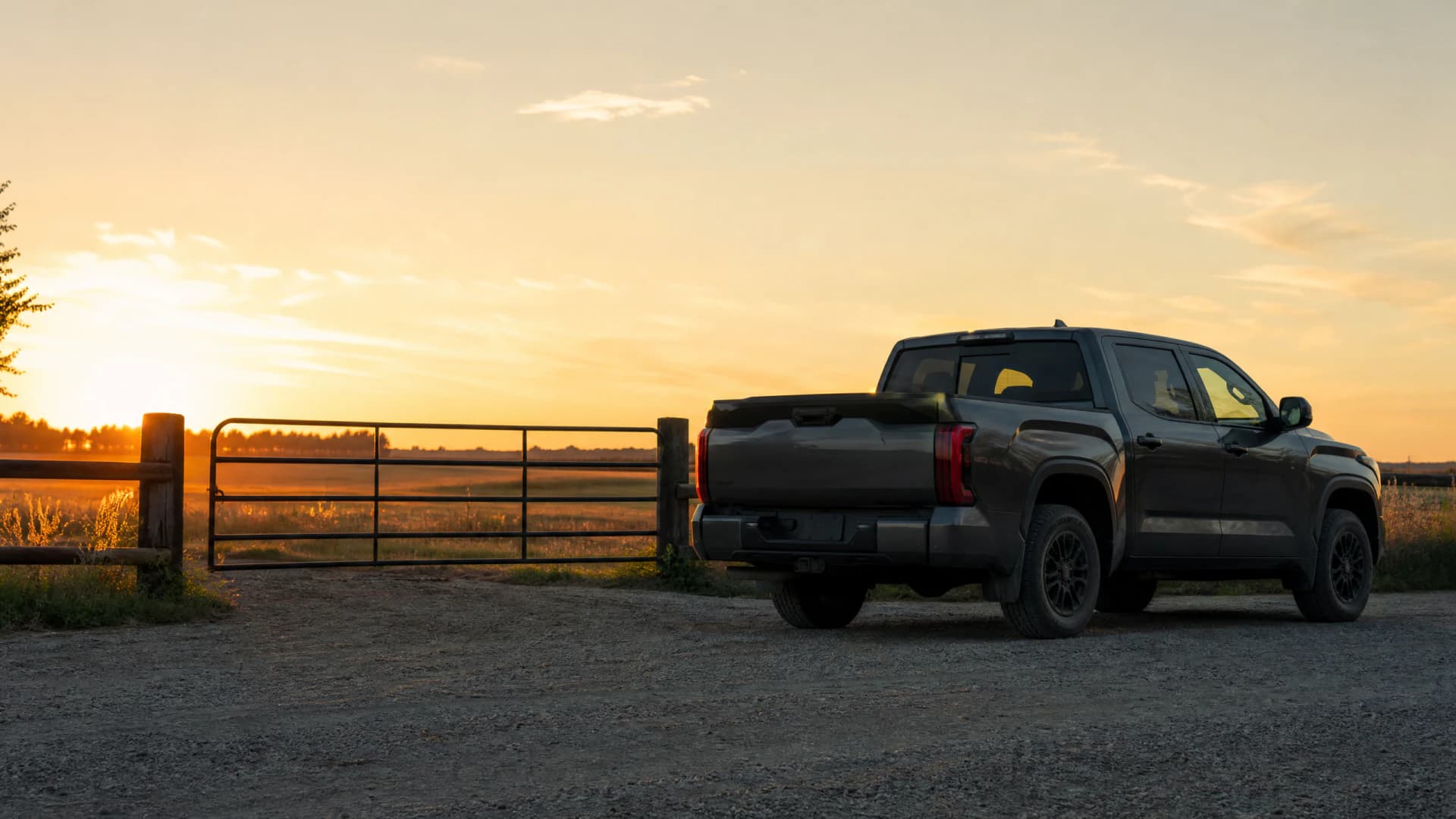
A vehicle titled to someone outside your household or on a separate policy does not qualify for your multi-car discount, even if garaged at the same address.
Related Articles





How Adding a Vehicle Re-Rates Your Massachusetts Policy
When you add a vehicle to an existing Massachusetts auto policy, the carrier re-rates the entire policy immediately. The new premium reflects the added vehicle's value, usage, garaging address, and the driver assigned to it. Most carriers provide a grace period of 7 to 30 days to report a newly purchased vehicle, during which your existing policy extends coverage automatically. After the grace period, an unreported vehicle can be denied at claim time.
The multi-car discount applies to the total policy premium, not to each vehicle individually. A smaller discount on a lower base rate can produce a lower combined premium than a larger discount on a higher base rate. When you compare carriers, ask for a quote that includes every vehicle and every driver in your household. A quote for one vehicle does not predict what the carrier will charge when you add the second and third.
If you own four vehicles but drive only two regularly, you can structure coverage differently for the rarely-driven cars. Comprehensive-only coverage protects a garaged classic or seasonal vehicle from theft, fire, and weather damage without paying for liability or collision. Some carriers require liability on every vehicle regardless of usage. Others allow comprehensive-only on vehicles explicitly listed as stored or collector use. Check the carrier's policy before assuming you can drop liability on a rarely-driven car.
$1,477.34
Massachusetts Average Annual Auto Expenditure Per Vehicle
The average annual auto insurance expenditure per insured vehicle in Massachusetts was $1,477.34 in 2023. Households insuring multiple vehicles on one policy typically pay less per vehicle than this average due to the multi-car discount, but total household premium depends on each driver's record, each vehicle's value, and coverage selections.
NAIC Auto Insurance Database Report 2023

Comparing Carriers for Multi-Vehicle Households
Request quotes from at least three carriers in different tiers. Provide identical information to each: every vehicle's year, make, model, and annual mileage; every driver's age, license status, and violation history; and the coverage levels you want. The multi-car discount structure varies by carrier. Some apply a flat percentage to the total premium. Others reduce the per-vehicle rate starting with the second vehicle. A few tier the discount so that the third and fourth vehicles receive a larger reduction than the second.
Ask each carrier whether the multi-car discount requires every vehicle to share a garaging address. Some carriers allow vehicles garaged at different addresses within the same state as long as all drivers and vehicles sit on one policy. Others require a single garaging address. If your household includes a college student with a car at school, or a vehicle garaged at a vacation property, clarify the carrier's same-address rule before binding coverage.
Compare Licensed Massachusetts Carriers Now
You now know which carriers write Massachusetts auto policies, how the compulsory insurance model affects multi-vehicle households, and how adding a vehicle re-rates your policy. The next step is to compare quotes from carriers in the tier that matches your household's driving records and coverage needs. Provide complete information for every vehicle and every driver so the quote reflects the actual multi-car discount structure and the combined household rate. Start your comparison with carriers licensed in Massachusetts and ask each one how their multi-car discount applies to your specific household composition.
Carrier Tiers and Multi-Vehicle Household Fit
Preferred-tier carriers like Amica, State Farm, and USAA write households with clean driving records, good credit where lawful to consider, and no recent at-fault claims. These carriers typically offer the lowest base rates but decline households with recent violations or lapses. Standard-tier carriers like Allstate, Geico, Progressive, Hartford, Liberty Mutual, National General, Travelers, and Farmers write a broader range of households, including those with one or two minor violations, a lapse within the past three years, or an at-fault claim. Base rates are higher than preferred tier, but the multi-car discount often offsets the difference when you insure three or more vehicles.
Non-standard carriers like Bristol West write households that preferred and standard carriers decline: multiple recent violations, a DUI within the past five years, or a suspended license recently reinstated. Base rates are significantly higher, but coverage remains available. If your household includes one high-risk driver and several clean-record drivers, a standard-tier carrier may offer a better combined rate than splitting the high-risk driver onto a non-standard policy and the rest of the household onto a preferred policy. Compare both structures before deciding.
Get Your Free Quote
Get My Massachusetts Car Insurance QuoteFrequently Asked Questions
Do all national carriers write auto insurance in Massachusetts?
No. Twelve carriers write auto policies in Massachusetts: Allstate, Amica, Bristol West, Farmers, Geico, Hartford, Liberty Mutual, National General, Progressive, State Farm, Travelers, and USAA. Not every national carrier operates in the state, and those that do may serve different market tiers or household profiles.
Does Massachusetts require SR-22 insurance?
No. Massachusetts operates a compulsory insurance model that requires liability coverage of everyone to register a vehicle, so no SR-22 or equivalent post-violation certificate exists. The Registry of Motor Vehicles requires proof of a new policy after a suspension, but not a separate filing certificate.
How does the multi-car discount work in Massachusetts?
The multi-car discount applies when every vehicle sits on the same policy and typically requires a shared garaging address. The discount structure varies by carrier: some apply a percentage to the total premium, others reduce the per-vehicle rate starting with the second car. Compare carriers to see which structure produces the lowest combined household premium.
Can I add a vehicle to my Massachusetts policy mid-term?
Yes. Most carriers provide a 7- to 30-day grace period to report a newly purchased vehicle, during which your existing policy extends coverage automatically. After the grace period, an unreported vehicle can be denied at claim time. The carrier re-rates the entire policy when you add the vehicle.
What happens if one household member has a suspended license?
A driver with a suspended license cannot be listed on the policy until reinstatement is complete. Once reinstated, the driver can be added to your household policy, and the carrier will re-rate based on the driver's record.
Can I insure vehicles garaged at different addresses on one Massachusetts policy?
It depends on the carrier. Some allow vehicles garaged at different addresses within Massachusetts as long as all drivers and vehicles sit on one policy. Others require a single garaging address for the multi-car discount to apply. Ask each carrier about their same-address rule before binding coverage.