
Comprehensive Coverage for Multiple Vehicles — Massachusetts
Free to compare
The Multi-Vehicle Comprehensive Decision
You're adding a second or third car to your Massachusetts policy and the carrier quoted comprehensive coverage separately for each vehicle. The premium jumped more than you expected because comprehensive isn't a policy-level product—it's a per-vehicle election. A household with three cars pays three separate comprehensive premiums if all three carry it, and the math changes vehicle by vehicle.
Massachusetts mandates $25,000 bodily injury per person, $50,000 per accident, and $30,000 property damage liability, plus personal injury protection and uninsured motorist coverage. Comprehensive is optional. The decision framework that worked for your first car—whether comprehensive makes sense given the vehicle's value—must now run three or four times, once per vehicle, because each car's age, replacement cost, and theft exposure differ.
“Comprehensive applies per vehicle, not per policy—a household with three cars pays three separate premiums if all three carry it.”

Compare Massachusetts Car Insurance Quotes Today
Get My Massachusetts Car Insurance Quote$30,000
MA Property Damage Minimum
Massachusetts requires $30,000 property damage liability on every policy, regardless of how many vehicles it covers. That minimum applies to the policy as a whole, not per car. Comprehensive, by contrast, is elected and priced individually for each vehicle.
Massachusetts Registry of Motor Vehicles
Comprehensive Applies Per Vehicle, Not Per Policy
Comprehensive covers damage to your own vehicle from non-collision events: theft, vandalism, weather, fire, glass breakage, animal strikes. It does not cover collision damage or liability to others. When you insure multiple vehicles on one Massachusetts policy, each car's comprehensive coverage is a separate line item with its own premium, its own deductible election, and its own claims history.
A common misconception: adding comprehensive to a multi-car policy costs a flat amount regardless of how many vehicles carry it. In practice, a 2018 sedan and a 2010 hatchback on the same policy will generate two different comprehensive premiums because the carrier prices each vehicle's theft and damage risk separately. The newer sedan with higher replacement cost will carry a higher comprehensive premium than the older hatchback, even when both elect the same deductible.
This structure means you can—and often should—carry comprehensive on some vehicles and not others. A financed or leased car typically requires comprehensive as a loan condition. A paid-off vehicle worth less than ten times the annual comprehensive premium may not justify the coverage. The policy allows mixed elections across vehicles; you are not required to apply the same coverage to every car.
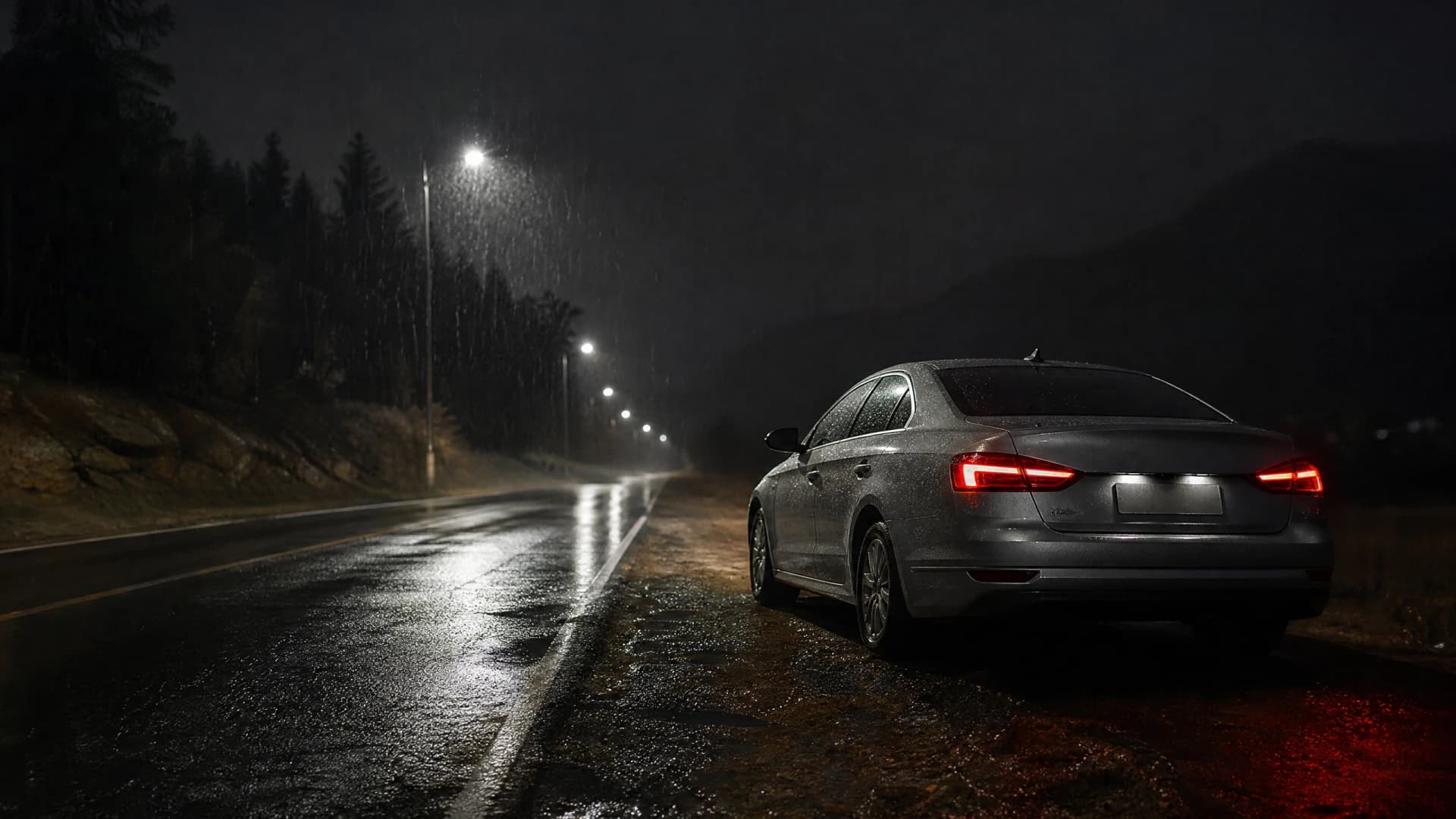
You can elect comprehensive on one vehicle and decline it on another within the same Massachusetts policy. The coverage decision runs per car, not per household.
Related Articles







Deductible Elections and Claims Across Multiple Vehicles
Each vehicle on your Massachusetts policy elects its own comprehensive deductible—typically $500 or $1,000. A lower deductible raises the premium; a higher deductible lowers it. When you insure multiple cars, you can set different deductibles for different vehicles based on each car's value and your financial capacity to absorb a loss.
A comprehensive claim on one vehicle does not directly affect the premiums of the other vehicles on the policy, but it does affect your overall claims history with the carrier. Massachusetts operates under managed competition—carriers set their own rating rules within regulatory bounds. Some carriers surcharge comprehensive claims; others do not. A household with multiple vehicles should confirm the carrier's comprehensive-claims policy before filing a marginal claim, because a small payout on one car can trigger a rate increase across the entire policy at renewal.
Glass claims—windshield replacement, for example—fall under comprehensive. Massachusetts does not mandate zero-deductible glass coverage, so a windshield claim will apply your elected comprehensive deductible unless you purchased separate glass coverage. When multiple vehicles on one policy need glass work in the same term, each claim is separate and each applies the deductible independently.
106.8 per 100k
MA Vehicle Theft Rate
Massachusetts recorded 106.8 motor vehicle thefts per 100,000 population in 2024. Theft risk varies by municipality—urban areas and communities near major highways see higher rates. Comprehensive covers theft, so a household garaging multiple vehicles in a high-theft area may justify the coverage even on older cars.
Massachusetts vehicle theft statistics, 2024

Lender Requirements and Lease Agreements
A financed or leased vehicle on your Massachusetts policy will require comprehensive coverage as a condition of the loan or lease agreement. The lender holds a financial interest in the car and mandates coverage that protects their collateral. When you add a financed vehicle to an existing multi-car policy, the carrier will automatically include comprehensive on that vehicle—you cannot decline it without violating the loan terms.
If your policy covers both financed and paid-off vehicles, the financed cars must carry comprehensive while the paid-off cars may decline it. The lender's requirement applies only to the vehicle securing the loan, not to other cars on the same policy. A household with one leased SUV and two owned sedans will carry mandatory comprehensive on the SUV and optional comprehensive on the sedans, all on one Massachusetts policy.
Compare Carriers Writing Multiple Vehicles in Massachusetts
Comprehensive premiums vary significantly by carrier, even for identical vehicles and deductibles. When you insure multiple cars on one Massachusetts policy, the cumulative difference across three or four vehicles can exceed several hundred dollars annually. Twelve carriers write multi-vehicle policies in Massachusetts, including Geico, Progressive, State Farm, Allstate, Liberty Mutual, and Travelers. Each prices comprehensive differently based on vehicle age, garaging location, and claims history.
Request quotes that break out comprehensive premiums per vehicle. Compare not only the total policy premium but the per-vehicle comprehensive cost, because a carrier offering a lower rate on your newest car may charge more on your oldest. The multi-car discount applies to the base policy premium and does not typically reduce the comprehensive premium directly, but carriers with stronger multi-vehicle discounts may still produce a lower total cost when comprehensive is included across all vehicles. Confirm each carrier's comprehensive-claims surcharge policy—some treat comprehensive as a no-fault coverage that does not affect rates, while others apply a small surcharge even for weather or theft claims.
How to Decide Which Vehicles Carry Comprehensive
Start with the vehicle's actual cash value—what it would cost to replace today, not what you paid for it. Subtract your comprehensive deductible from that figure. If the result is less than three to five years of comprehensive premiums, the coverage may cost more than it would ever pay out.
Apply the same test to each vehicle on the policy. A household with a financed 2022 SUV, a paid-off 2015 sedan, and a 2008 truck will often carry comprehensive on the SUV (required by the lender), on the sedan (replacement value justifies it), and decline it on the truck (value too low to justify the premium). Massachusetts carriers allow this mixed structure without penalty. The multi-car discount applies to the policy as a whole and does not depend on every vehicle carrying identical coverage.
Get Your Free Quote
Get My Massachusetts Car Insurance QuoteFrequently Asked Questions
Do I need comprehensive on every car if I have multiple vehicles on one Massachusetts policy?
No. Comprehensive is optional in Massachusetts and applies per vehicle, not per policy. You can carry it on some cars and decline it on others based on each vehicle's value, loan status, and theft risk. Financed or leased vehicles will require it as a loan condition.
Does comprehensive coverage cost the same for each vehicle on a multi-car policy?
No. Each vehicle generates its own comprehensive premium based on its replacement value, age, theft risk, and garaging location. A newer car with higher value will cost more to insure for comprehensive than an older car, even when both are on the same Massachusetts policy with the same deductible.
Can I set different comprehensive deductibles for different vehicles on the same policy?
Yes. Massachusetts carriers allow you to elect a separate comprehensive deductible for each vehicle on a multi-car policy. You might choose a $500 deductible on a newer vehicle and a $1,000 deductible on an older one to lower the premium on the car with less replacement value.
Will a comprehensive claim on one vehicle raise rates on my other cars?
A comprehensive claim on one vehicle does not directly surcharge the other vehicles, but it does affect your overall claims history with the carrier. Some Massachusetts carriers apply a small rate increase across the entire policy at renewal after a comprehensive claim; others treat comprehensive as no-fault and do not surcharge. Confirm your carrier's policy before filing.
Does the multi-car discount apply to comprehensive coverage in Massachusetts?
The multi-car discount applies to the base policy premium, not directly to comprehensive. However, carriers offering stronger multi-vehicle discounts may still produce a lower total cost when comprehensive is included on multiple vehicles. Compare per-vehicle comprehensive premiums across carriers to find the best combined rate.
Do I need comprehensive if my car is paid off?
Comprehensive is optional once a vehicle is paid off. Run the replacement-value test: subtract your deductible from the car's current market value, then compare that figure to the cumulative cost of comprehensive premiums over the time you expect to own it. If the premiums exceed the potential payout, declining coverage may make sense.