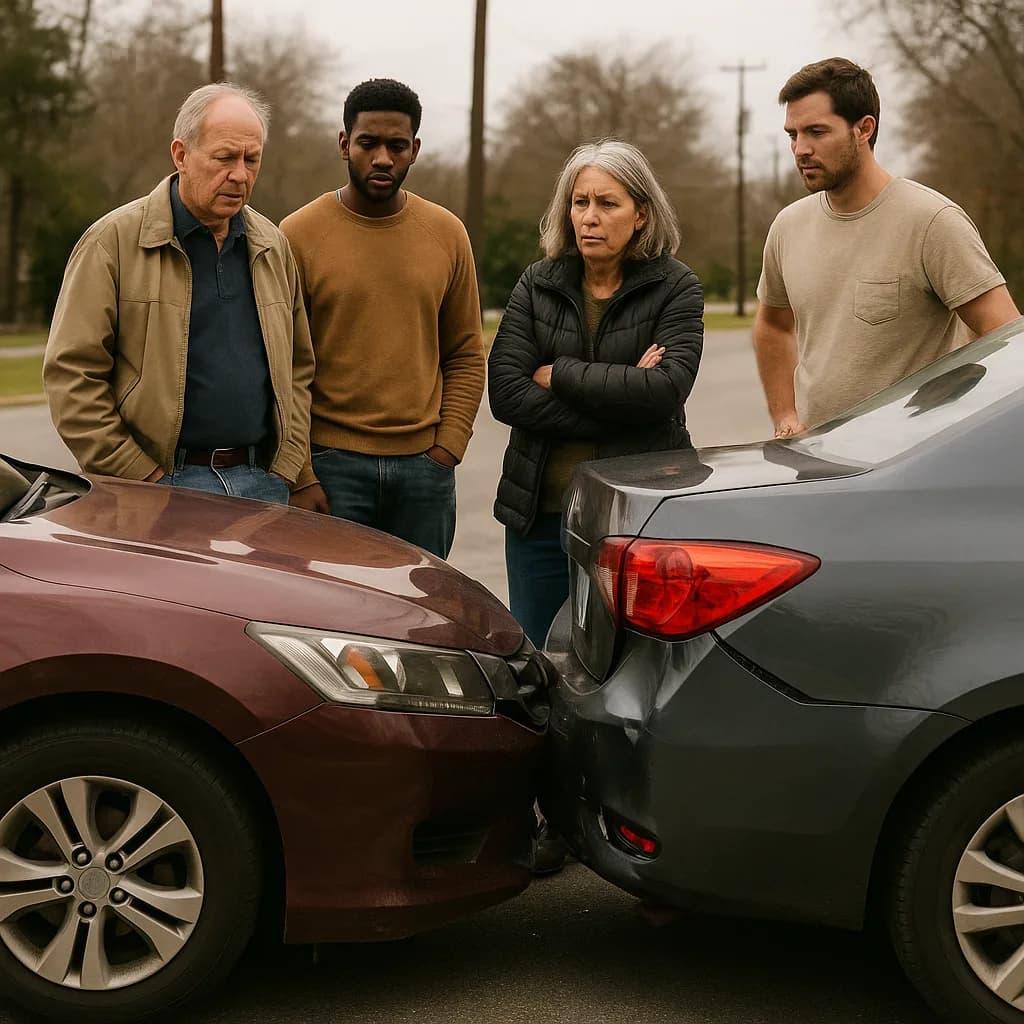
When Collision Becomes a Per-Vehicle Decision
You've added a second or third car to your Massachusetts policy and the collision premium jumped more than you expected. The carrier quoted collision separately for each vehicle, and now you're wondering whether you need it on all of them or whether dropping it from one car makes sense.
Collision coverage pays to repair your own vehicle after an accident regardless of fault. Because collision is priced per vehicle based on each car's value, age, and repair cost, a household with multiple cars faces a structural choice: cover every vehicle or select coverage strategically based on what each car is worth.
Compare car insurance rates in your state
Get quotes from licensed carriers — no obligation, no spam, results in minutes.
Get Your Free QuoteMassachusetts Property Damage Minimum
This minimum does not cover your own car — that requires optional collision coverage.
Massachusetts Registry of Motor Vehicles
How Collision Is Priced Across Multiple Vehicles
Collision coverage does not discount when you add more vehicles. Each car on your policy carries its own collision premium calculated from that vehicle's year, make, model, repair cost, and the deductible you choose. A 2018 sedan and a 2024 SUV on the same policy will have different collision premiums because the SUV costs more to repair.
The multi-car discount applies to your base liability premium, not to collision. When you add a second vehicle, the carrier discounts the liability portion of both cars' premiums because you're consolidating policies. Collision remains priced individually per vehicle. If your total premium increased significantly after adding a car, the collision premium on the new vehicle is the largest driver of that increase.
This structure creates a decision point households with one car never face: you can carry collision on the newer, higher-value vehicle and drop it from the older one. The policy stays intact, the multi-car discount remains, and you reduce total premium by removing collision from the car where the coverage costs more than the vehicle is worth.
Collision is priced per vehicle, not per policy. Dropping it from one car does not affect coverage on the others or your multi-car discount.
When to Keep Collision on Every Vehicle
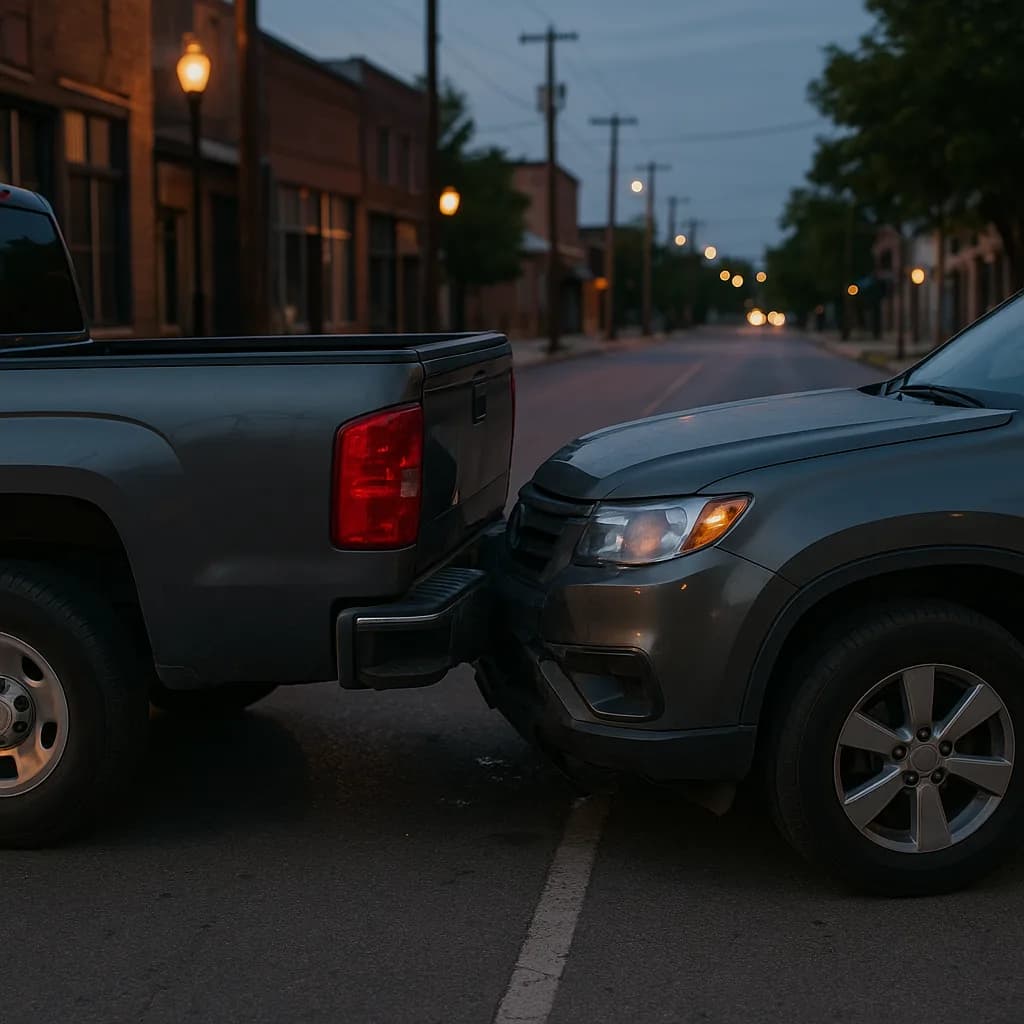
Lenders and lessors require collision coverage on financed and leased vehicles. If you're making payments on two cars, both must carry collision until the loans are paid off. The lender is named on the policy as a loss payee, and if you drop collision the lender will force-place coverage at a higher cost and add it to your loan balance. Households financing multiple vehicles have no structural choice here — collision is mandatory on every financed car.
Even when no lender is involved, collision makes sense on newer or higher-value vehicles you cannot afford to replace. A general threshold: if the vehicle is worth more than three to five times the annual collision premium, the coverage is cost-effective. Most households replace vehicles long before that point, making collision a reasonable hedge on cars worth keeping.
Related Articles




When Selective Coverage Saves Money
Older vehicles owned outright are the best candidates for dropping collision. You'd recover the collision premium in six years of no claims, but most older cars face mechanical issues or depreciation that shortens their useful life before that break-even point.
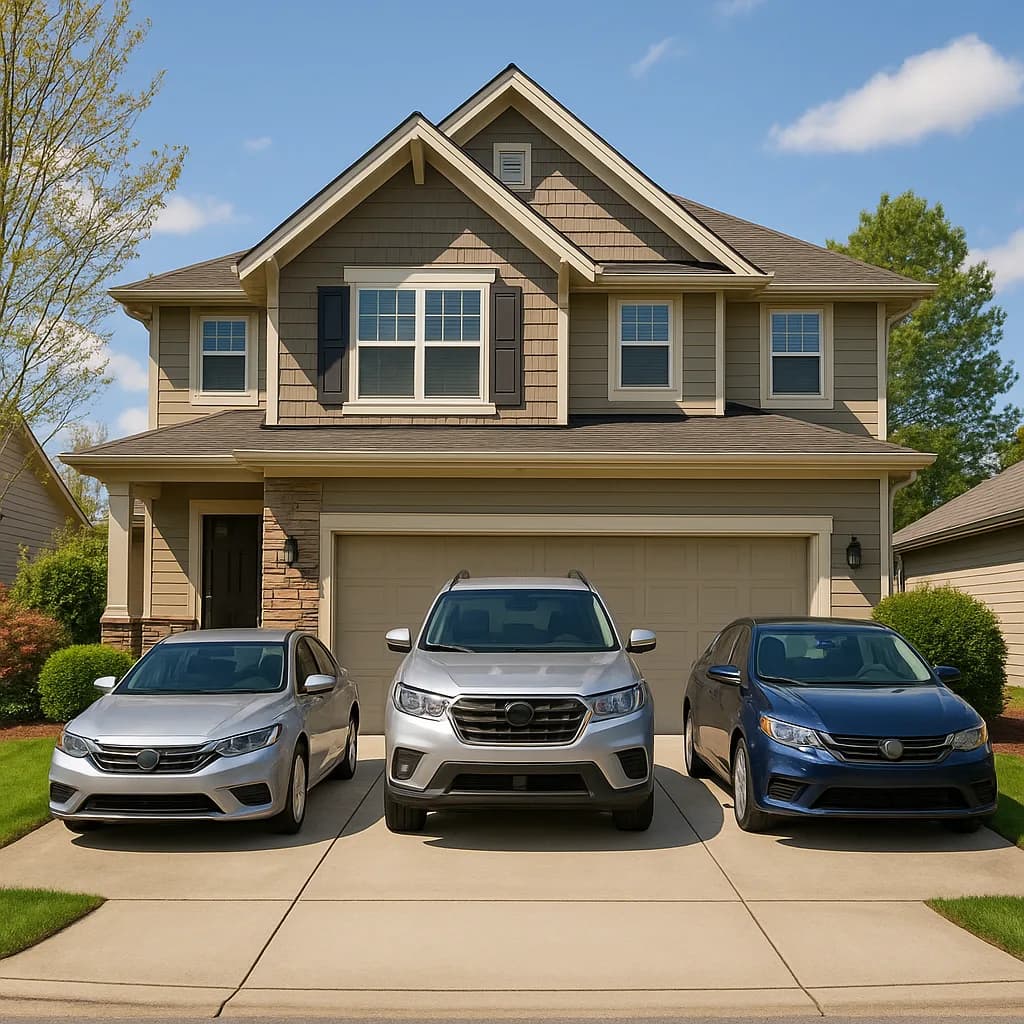
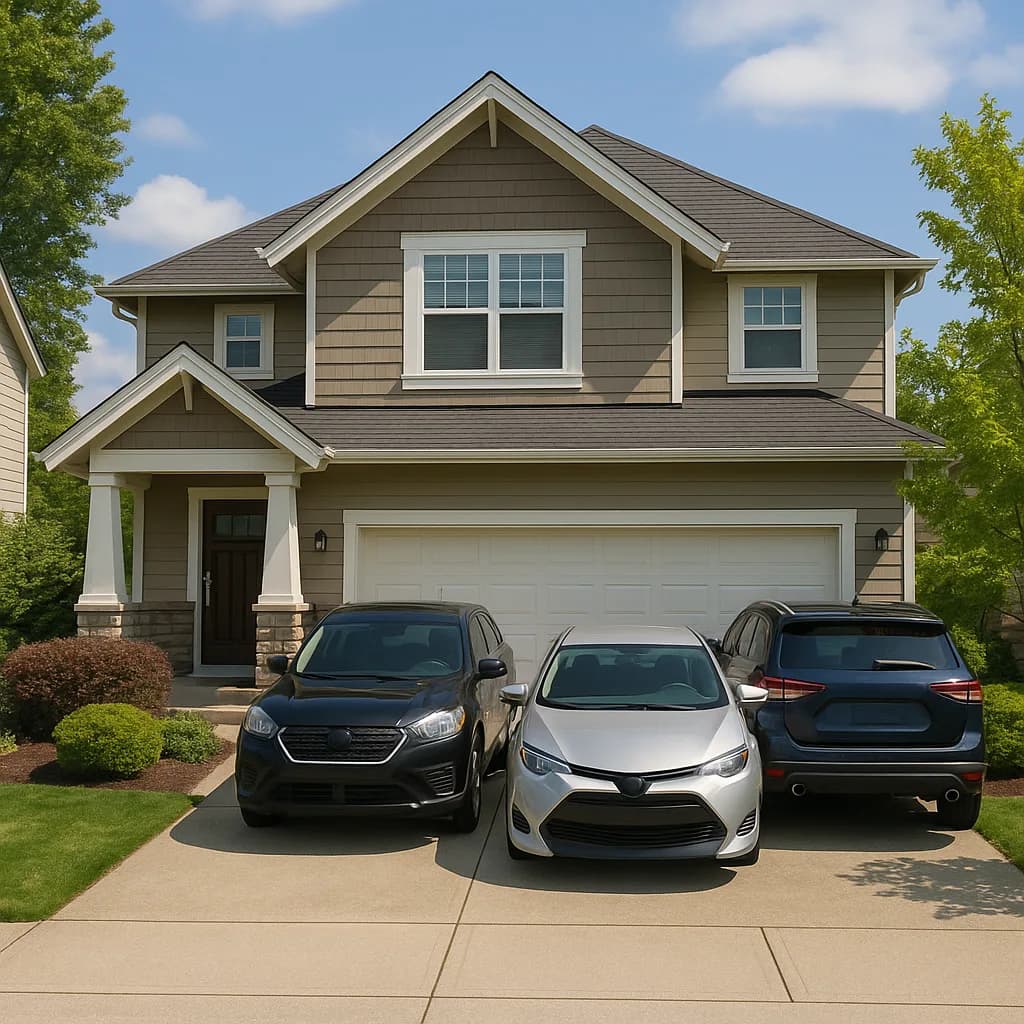
A second scenario: you own three vehicles but drive two regularly and keep the third for occasional use. The rarely-driven car accumulates fewer miles, faces lower accident risk, and may not justify collision coverage. Dropping collision from the third vehicle reduces your total premium without materially increasing financial risk, because the car spends most of its time parked.
Massachusetts does not penalize selective collision coverage. You can structure your policy with collision on the two newer cars and liability-only on the older one. The multi-car discount applies to the liability portion across all three vehicles regardless of which ones carry collision. Carriers do not re-rate your policy or remove the discount when you drop collision from one car mid-term — the change affects only that vehicle's premium.
Massachusetts Multi-Car Carriers
12 carriers
Twelve carriers write multi-vehicle policies in Massachusetts, including Allstate, Geico, Progressive, State Farm, and USAA. Compare quotes with your household's actual vehicle roster and collision selections to see how selective coverage affects total premium.
How Deductible Choice Affects Collision Cost
A higher deductible lowers your premium but increases what you pay out-of-pocket after an accident.
Raising the deductible from $500 to $1,000 typically reduces collision premium by 15 to 25 percent. For older vehicles where you're considering dropping collision entirely, a high deductible offers a middle path: keep the coverage for total-loss protection but reduce the premium to a level that makes sense for the car's value.
Compare Carriers With Your Actual Vehicle Mix
Collision premiums vary significantly by carrier for the same vehicle.
Request quotes from at least three carriers with your full vehicle roster and your preferred collision structure — collision on all vehicles, collision on two of three, or liability-only on the oldest car. Provide each carrier with the same deductible choices so the quotes are comparable. Massachusetts law requires carriers to file their rating factors with the state, but those factors produce different premiums across companies. The only way to know which carrier prices your household's specific mix most competitively is to compare quotes with your actual vehicles and coverage selections entered.