
Minimum Coverage Requirements — Massachusetts
Free to compare
What Massachusetts Minimum Coverage Actually Protects
You own two or three cars, you're comparing quotes, and you're trying to decide whether minimum coverage is enough or whether you need to add collision and comprehensive to protect your own vehicles. The minimum meets the state's registration requirement, but it does not cover damage to your own cars. That distinction matters more when you're insuring multiple vehicles, because any collision or theft hits one of several cars you depend on.
Massachusetts minimum coverage is $25,000 bodily injury per person, $50,000 bodily injury per accident, and $30,000 property damage liability. The state also mandates personal injury protection and uninsured motorist coverage. All of those coverages pay claims against you or injuries to you and your passengers. None of them repair your own vehicle after a collision, a weather event, or a theft.
“Minimum liability covers the other party's losses, not your own vehicles' damage — a distinction that matters more when you're insuring multiple cars.”

Compare Massachusetts Car Insurance Quotes Today
Get My Massachusetts Car Insurance Quote$25,000 / $50,000 / $30,000
Massachusetts Minimum Liability Limits
These limits apply per accident. The first figure is bodily injury per person, the second is total bodily injury per accident, and the third is property damage. If you cause an accident that injures multiple people or totals an expensive vehicle, your liability coverage pays up to these caps and you pay the rest out of pocket.
Massachusetts Registry of Motor Vehicles
Why Multi-Car Households Hit the Liability Cap Faster
A household with three vehicles has three opportunities for an at-fault accident. If any driver in the household causes a collision that injures two people and totals a newer SUV, the $50,000 bodily injury cap and the $30,000 property damage cap can both be exceeded in a single incident.
When you carry only minimum liability, any claim that exceeds the caps becomes your personal debt. The injured party or their insurer can pursue your assets directly. That risk scales with the number of drivers and vehicles in your household, because each vehicle on the road increases the probability of a severe at-fault accident.
Compare that cost against the value of the vehicles and other assets you would need to protect in a lawsuit.
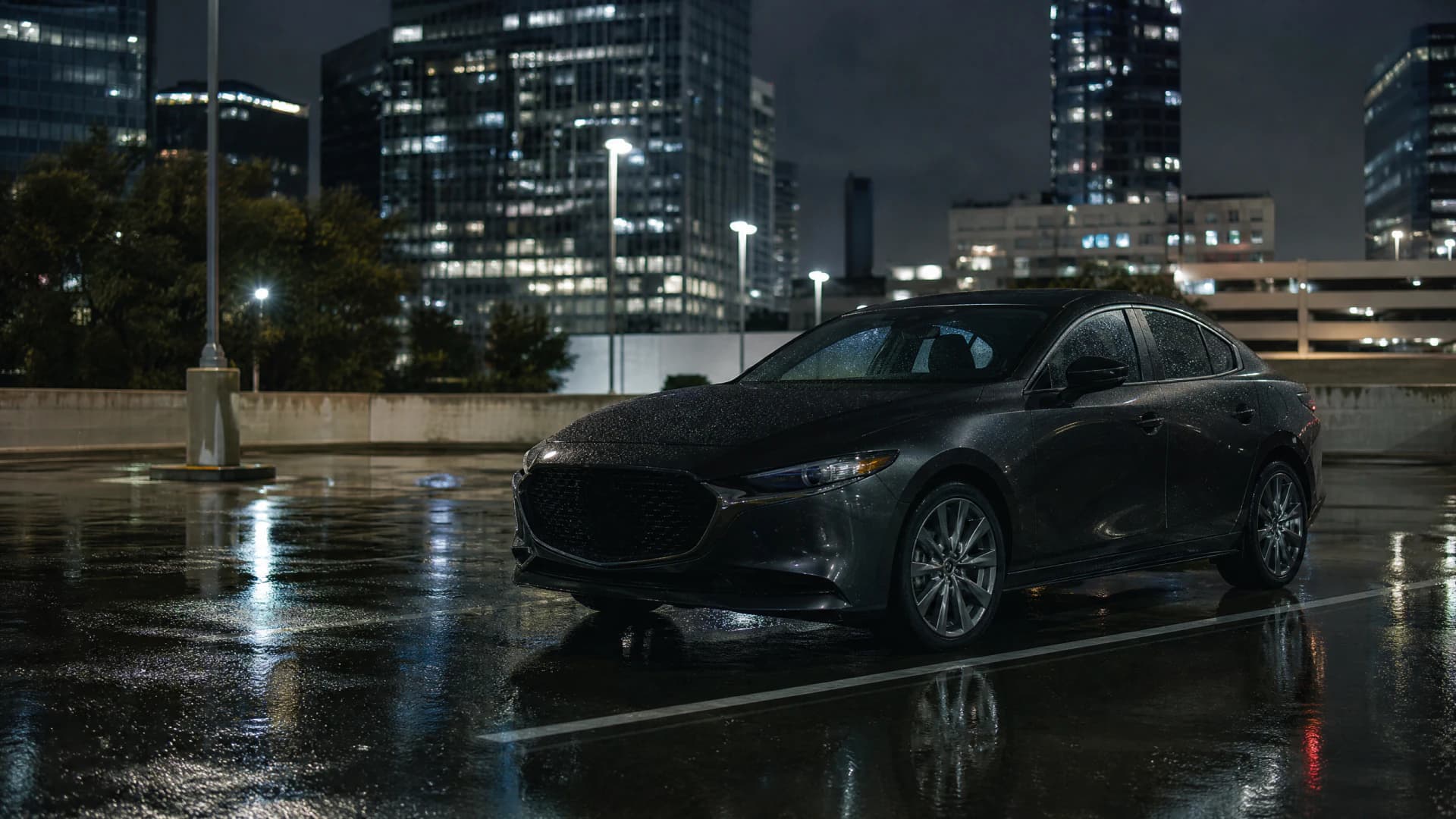
Minimum liability covers the other party's losses. It does not repair your own vehicles after a collision, and it does not cover theft or weather damage.
Related Articles

Best Car Insurance for Multiple Vehicles MA
7/15/2026
MA Minimum Coverage Multi-Car Insurance
7/15/2026
Liability vs Full Coverage Massachusetts
7/15/2026

Optional Car Insurance Worth It in MA
7/15/2026

Full Coverage Car Insurance in Massachusetts
7/15/2026

When to Drop Full Coverage in Massachusetts
7/15/2026

When Minimum Coverage Makes Sense for a Multi-Car Household
Minimum coverage is a rational choice when the vehicles in your household are worth less than the cost of collision and comprehensive premiums over the time you plan to keep them. In that scenario, self-insuring makes financial sense.
Calculate the annual cost of adding collision and comprehensive to each vehicle, multiply by the number of years you expect to keep the cars, and compare that total to the combined replacement value of all vehicles. If the coverage cost exceeds the asset value, minimum coverage is the efficient choice. You accept the risk of paying repair or replacement costs out of pocket in exchange for lower monthly premiums.
If losing one vehicle does not disrupt your household's transportation or finances, the premium savings from dropping those coverages may outweigh the protection they provide.
12 carriers
Massachusetts Multi-Car Policy Carriers
Twelve carriers write multi-vehicle policies in Massachusetts, including Allstate, Geico, Progressive, State Farm, and USAA. Each carrier prices collision, comprehensive, and liability differently, and the best rate for minimum coverage is often not the best rate for full coverage. Compare quotes for both minimum and full coverage across multiple carriers before deciding.

How to Structure Coverage Across Multiple Vehicles
You do not need to carry the same coverage on every vehicle. A household with one newer car and two older cars can carry full coverage on the newer vehicle and minimum coverage on the older ones. The newer car's higher replacement value justifies collision and comprehensive; the older cars' lower value does not. This mixed approach lowers your total premium while protecting the household's most valuable asset.
When you mix coverage levels, make sure the liability limits apply to the entire policy, not per vehicle. Most carriers structure liability as a per-policy limit, so one at-fault accident in any vehicle draws from the same liability cap. Confirm with your carrier that raising liability limits on one vehicle raises them for all vehicles on the policy, and that you are not paying for separate liability limits per car.
Compare Minimum and Full Coverage Quotes Before Deciding
The cost difference between minimum and full coverage varies by carrier, vehicle, and driver profile. The only way to know which structure saves money without leaving you underinsured is to request quotes for both minimum and full coverage from multiple carriers and compare the monthly cost against the vehicles' replacement value.
Massachusetts operates a compulsory insurance model: every registered vehicle must carry at least minimum liability, personal injury protection, and uninsured motorist coverage. You cannot register or renew registration without proof of coverage. When you compare quotes, confirm that every quote includes those mandatory coverages, and that any collision or comprehensive you add sits on top of that minimum base. Use the comparison tool to request quotes structured for your household's vehicle count and coverage preferences.
What Minimum Coverage Leaves Unprotected
Collision coverage pays to repair your own vehicle after an accident, regardless of fault. If you back into a pole, sideswipe another car, or get hit by an at-fault driver who has no insurance, collision covers your repair bill minus your deductible. Without collision, you pay the full repair cost or replacement cost out of pocket. For a household with two or three vehicles, losing one car to an unrepaired collision forces the household to function with fewer vehicles until you can afford the repair or replacement.
Comprehensive coverage pays for theft, vandalism, weather damage, fire, and animal strikes. Massachusetts has a motor vehicle theft rate of 106.8 per 100,000 population. If one of your vehicles is stolen and you carry only minimum coverage, you receive nothing from your insurer. You replace the vehicle entirely out of pocket. Comprehensive also covers windshield damage, hail, and flood losses that collision does not. A household with multiple vehicles parked outside faces higher exposure to weather and theft events than a household with one garaged car.
Get Your Free Quote
Get My Massachusetts Car Insurance QuoteFrequently Asked Questions
Does Massachusetts minimum coverage pay to repair my own car after an accident?
No. Minimum coverage includes liability, personal injury protection, and uninsured motorist coverage, none of which repair your own vehicle. Collision coverage pays for your own car's damage after an accident, and comprehensive covers theft and weather damage, but both are optional in Massachusetts.
Can I carry full coverage on one vehicle and minimum coverage on another in the same household?
Yes. Most carriers let you structure different coverage levels per vehicle on a multi-car policy. You can carry collision and comprehensive on a newer car and minimum coverage on older vehicles, as long as every vehicle meets the state's mandatory liability, PIP, and uninsured motorist requirements.
What happens if I cause an accident and the damage exceeds my liability limits?
You pay the excess out of pocket. If your $30,000 property damage limit does not cover the other party's totaled vehicle, they or their insurer can pursue your personal assets for the difference.
Is minimum coverage enough if my vehicles are paid off?
It depends on the vehicles' replacement value and your household's ability to absorb a loss. If losing a vehicle disrupts your household or the replacement cost is significant, collision and comprehensive are worth the added premium.
How do I know whether adding collision and comprehensive is worth the cost?
Calculate the annual cost of collision and comprehensive for each vehicle, multiply by the years you plan to keep the cars, and compare that total to their combined replacement value. If the coverage cost exceeds the vehicles' value, minimum coverage is the efficient choice. If the vehicles are worth more, full coverage protects your investment.