
Comparing Car Insurance Quotes — Massachusetts
Free to compare
Why Comparing Quotes for Multiple Vehicles Is Different
You own two or more vehicles and need insurance that covers all of them. Massachusetts operates a compulsory insurance model: every registered vehicle must carry minimum liability coverage before the Registry of Motor Vehicles will issue plates. That means you cannot register a second or third car without proving coverage, and the coverage decision you make now affects the premium you pay across every vehicle on the policy.
Comparing quotes for a multi-car household is not the same as comparing quotes for one vehicle. Adding a vehicle to an existing policy re-rates the entire policy based on the combined risk profile of all vehicles and all drivers in the household. A carrier that quoted competitively for your first car may price higher when you add a second. The multi-car discount exists, but it applies only when every vehicle sits on the same policy, and the discount percentage varies by carrier. This article walks you through how to compare quotes when you are insuring multiple vehicles, which carriers write multi-car policies in Massachusetts, and what state minimums you must meet.
“Adding a vehicle mid-term re-rates your entire policy based on the combined risk of all vehicles and drivers, not just the new car.”

Compare Massachusetts Car Insurance Quotes Today
Get My Massachusetts Car Insurance Quote$25,000 / $50,000 / $30,000
MA Minimum Liability Limits
Massachusetts requires $25,000 bodily injury per person, $50,000 bodily injury per accident, and $30,000 property damage on every registered vehicle. Personal injury protection and uninsured motorist coverage are also mandatory.
Massachusetts Registry of Motor Vehicles
What the Multi-Car Discount Actually Requires
The multi-car discount is not automatic. It applies only when every vehicle you own is listed on the same policy. If one vehicle is titled to a household member on a separate policy, that vehicle does not count toward the discount. If a vehicle is garaged at a different address, some carriers will not apply the discount even if the vehicle is on the same policy.
When you request a quote, the carrier re-rates the entire policy based on the combined risk of all vehicles and all drivers. A household with a sedan and a pickup may see a lower combined premium than the sum of two separate policies. A household with a sedan and a sports car may see a higher combined premium because the sports car's risk profile affects the sedan's rate. The discount is applied after the combined rating, not before.
Most carriers in Massachusetts write multi-car policies. The carriers confirmed to write in Massachusetts include Allstate, Amica, Bristol West, Farmers, Geico, Hartford, Liberty Mutual, National General, Progressive, State Farm, Travelers, and USAA. Each carrier calculates the multi-car discount differently. Requesting quotes from at least three carriers that write multi-car policies gives you the comparison data you need to make an informed decision.
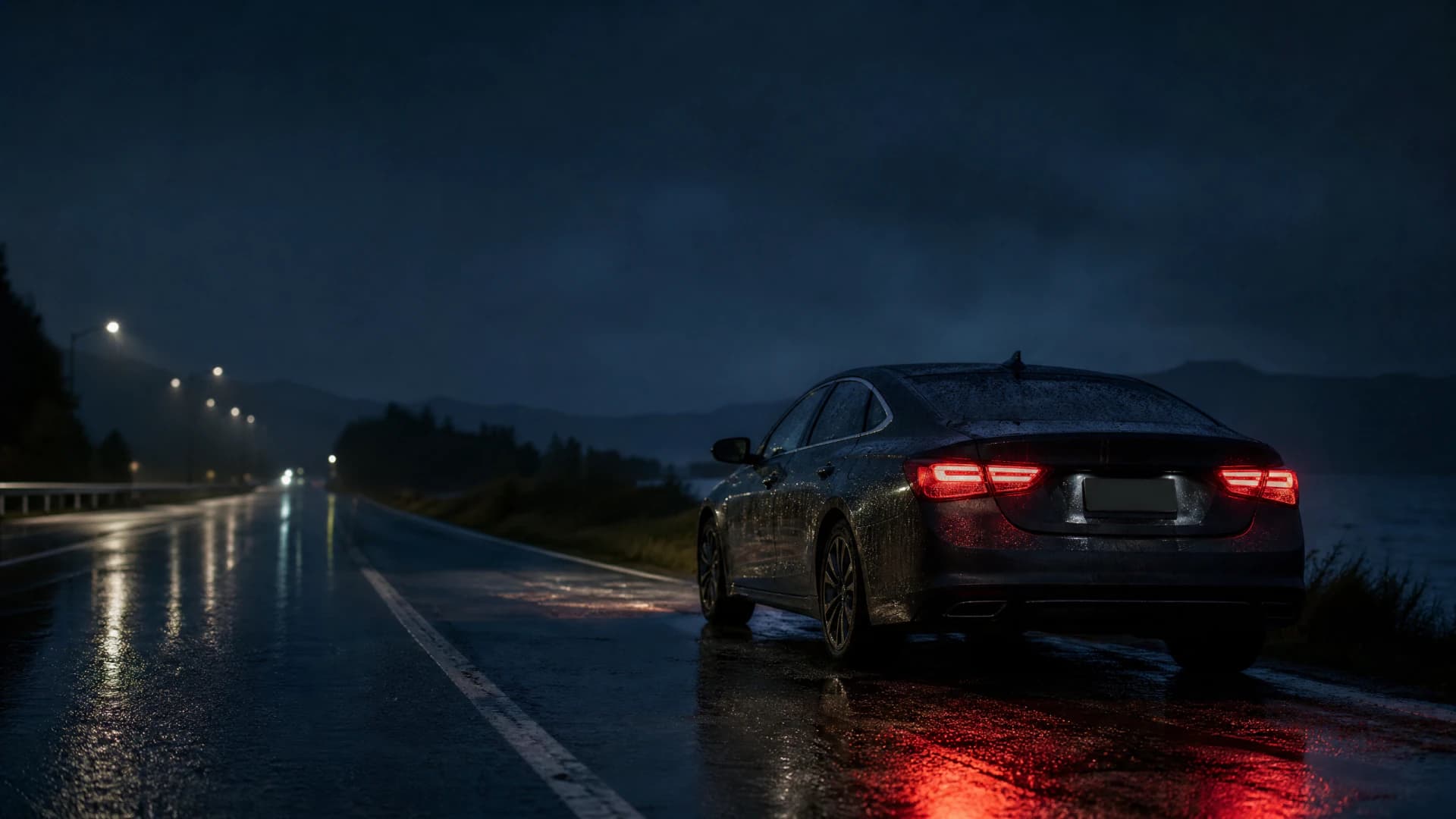
Adding a vehicle mid-term re-rates your entire policy immediately, not just the new vehicle. The premium change reflects the combined risk of all vehicles and drivers.






State Minimums and How They Apply Across Multiple Vehicles
Massachusetts requires $25,000 bodily injury per person, $50,000 bodily injury per accident, and $30,000 property damage on every registered vehicle. Personal injury protection is mandatory. Uninsured motorist coverage is mandatory. These minimums apply to each vehicle individually. You cannot carry higher limits on one vehicle and lower limits on another to average out to the state minimum. Every vehicle must meet the minimum.
When you add a second or third vehicle, the state minimum does not change, but the combined premium does. A household with three vehicles paying minimum liability on all three will pay less than three separate policies, but more than one policy covering one vehicle. The multi-car discount reduces the combined premium, but it does not eliminate the cost of insuring additional vehicles.
If you choose to carry higher limits, those limits apply per vehicle. The higher limits increase the premium on both vehicles. Comparing quotes at different coverage levels helps you understand the cost difference between minimum coverage and higher limits across your household's vehicles.
12 carriers
MA Multi-Car Carriers
Twelve carriers confirmed to write auto insurance in Massachusetts include Allstate, Amica, Bristol West, Farmers, Geico, Hartford, Liberty Mutual, National General, Progressive, State Farm, Travelers, and USAA. Each writes multi-car policies.

When Combining Policies Saves Money and When It Does Not
Combining two separate policies into one multi-car policy usually lowers the combined premium, but not always. A household with two sedans driven by two drivers with clean records will almost always see savings. A household with a sedan and a sports car, or a household with one driver who has a recent violation, may see a higher combined premium because the higher-risk vehicle or driver affects the rate on the lower-risk vehicle.
If you and a spouse each have a separate policy and you are considering combining them, request a combined quote before canceling either policy. The combined quote will show the actual premium for all vehicles and all drivers on one policy. Compare that to the sum of your two current premiums. If the combined premium is lower, combining saves money. If the combined premium is higher, keeping separate policies may be the better choice. Massachusetts does not penalize households for maintaining separate policies as long as each policy meets state minimums.
Compare Carriers That Write Your Household's Vehicles
Not every carrier writes every type of vehicle. Some carriers do not write policies for households with more than four vehicles. Some carriers do not write policies for households with a driver under 25. Some carriers do not write policies for vehicles with salvage titles. When you request quotes, confirm that the carrier writes policies for your specific household composition and vehicle types.
Request quotes from at least three carriers. Allstate, Geico, Progressive, State Farm, and Liberty Mutual are widely available in Massachusetts and write multi-car policies. USAA writes multi-car policies but restricts eligibility to military members, veterans, and their families. Amica and Hartford write multi-car policies and are available to Massachusetts residents. Bristol West and National General write non-standard policies and may be an option if other carriers decline coverage. Compare the quoted premium, the coverage structure, and the carrier's claims process before making a decision. The lowest premium is not always the best choice if the carrier's claims process does not meet your needs.
How to Structure Your Quote Requests
Start by listing every vehicle you own: year, make, model, VIN, and annual mileage. Include the garaging address for each vehicle. If one vehicle is garaged at a different address than the others, note that explicitly. Some carriers will not apply the multi-car discount when vehicles are garaged at different addresses, even if they are on the same policy. Next, list every licensed driver in the household. Massachusetts carriers rate based on household composition. A driver who lives in the household but is excluded from the policy may still affect your premium if the carrier considers them a potential operator.
When you request quotes, specify the coverage level for each vehicle. Massachusetts requires liability, personal injury protection, and uninsured motorist coverage on every vehicle. You may choose to carry collision and comprehensive on some vehicles but not others. A newer vehicle with a loan typically requires collision and comprehensive. An older vehicle with a value below a certain threshold may not justify the cost of collision coverage. Request quotes with the same coverage structure from every carrier so you can compare premiums accurately.
Get Your Free Quote
Get My Massachusetts Car Insurance QuoteFrequently Asked Questions
Does the multi-car discount apply automatically when I add a second vehicle?
The multi-car discount applies only when every vehicle you own is listed on the same policy. Adding a second vehicle to your existing policy triggers the discount, but the carrier re-rates the entire policy based on the combined risk of both vehicles and all drivers. The discount is applied after the combined rating.
Can I carry different coverage levels on different vehicles on the same policy?
Yes. Massachusetts requires minimum liability, personal injury protection, and uninsured motorist coverage on every vehicle, but you can choose to carry collision and comprehensive on some vehicles and not others. A newer vehicle with a loan typically requires collision and comprehensive, while an older vehicle may not justify the cost.
Do I need to list every driver in my household when I request a quote?
Yes. Massachusetts carriers rate based on household composition. Every licensed driver who lives in the household must be listed, even if they do not regularly drive your vehicles. A driver who is excluded from the policy may still affect your premium if the carrier considers them a potential operator.
Will combining two separate policies always lower my premium?
Not always. A household with two low-risk vehicles and clean driving records will usually see savings. A household with one high-risk vehicle or one driver with a recent violation may see a higher combined premium because the higher-risk profile affects the rate on the lower-risk vehicle. Request a combined quote before canceling either policy.
How many carriers should I compare when insuring multiple vehicles?
Request quotes from at least three carriers that write multi-car policies in Massachusetts. Carriers calculate the multi-car discount differently, and a carrier that quoted competitively for one vehicle may price higher when you add a second. Comparing three or more quotes gives you the data you need to make an informed decision.
What happens if one vehicle is garaged at a different address?
Some carriers will not apply the multi-car discount when vehicles are garaged at different addresses, even if they are on the same policy. When you request a quote, specify the garaging address for each vehicle so the carrier can rate the policy accurately.