
Full Coverage Car Insurance Cost — Massachusetts
Free to compare
What Full Coverage Costs in Massachusetts
You're looking at your Massachusetts auto insurance bill and trying to decide whether full coverage makes sense for your household's vehicles. The state already requires more than basic liability: Massachusetts mandates personal injury protection and uninsured motorist coverage on top of the $25,000/$50,000/$30,000 liability minimums. That mandatory bundle means your baseline cost is higher than most states before you add collision and comprehensive.
Full coverage adds collision and comprehensive to that mandatory base. Collision pays for damage to your car in an accident regardless of fault. Comprehensive covers theft, vandalism, weather damage, and animal strikes. Together they protect the asset value of your vehicles. The question is whether the premium increase justifies the protection for each car you insure.
“Massachusetts minimum coverage already includes PIP and uninsured motorist, so the gap to full coverage is narrower than in liability-only states.”

Compare Massachusetts Car Insurance Quotes Today
Get My Massachusetts Car Insurance Quote$1,477.34
MA Average Annual Expenditure Per Vehicle
Massachusetts drivers spent an average of $1,477.34 per insured vehicle in 2023, reflecting the state's compulsory insurance model where PIP and uninsured motorist coverage are mandatory, not optional add-ons.
NAIC Auto Insurance Database Report 2023
Massachusetts Compulsory Insurance Narrows the Gap
Massachusetts operates a compulsory insurance system. Every registered vehicle must carry liability, personal injury protection, and uninsured motorist coverage. That mandatory bundle is what the state calls minimum coverage, and it already costs more than the liability-only minimums available in most other states.
When you add collision and comprehensive to reach full coverage, you're adding two coverages to a base that already includes four. The percentage increase from minimum to full is smaller in Massachusetts than in states where minimum means liability only. A household insuring multiple vehicles sees this dynamic compound: the per-vehicle cost difference between minimum and full coverage is narrower, but you're multiplying it across every car on the policy.
The structural reality: Massachusetts minimum coverage is not cheap baseline protection. It's a mandatory bundle that already includes injury and uninsured-motorist protection. Full coverage adds asset protection on top of that foundation.
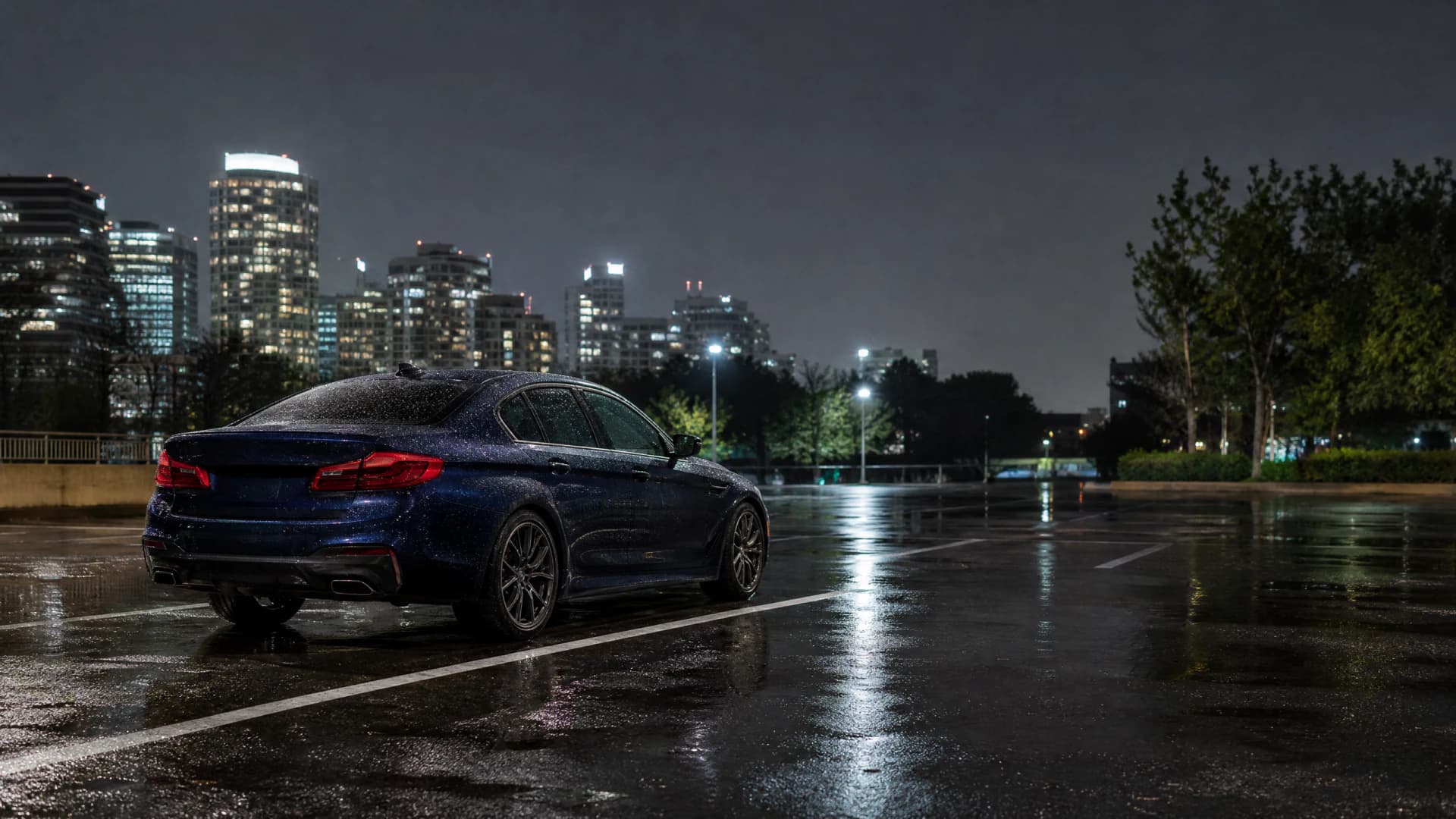
Massachusetts minimum coverage already costs more than most states' liability-only minimums because PIP and uninsured motorist are mandatory, not optional.
Related Articles




How Vehicle Value Drives the Full Coverage Decision
The rule of thumb: if a vehicle's value is low enough that you could replace it out of pocket without financial strain, dropping collision and comprehensive makes sense. If losing the car would force you into debt or leave you without transportation, full coverage is worth the premium.
Apply this vehicle by vehicle on a multi-car policy. A household with a new financed SUV, a five-year-old sedan, and a 12-year-old commuter car might carry full coverage on the SUV, collision-only on the sedan, and liability-only on the commuter. The lender requires full coverage on the financed vehicle. The sedan's value justifies collision but not comprehensive if theft risk is low in your area. The commuter's value is below the threshold where coverage pays.
Deductibles adjust the math. A $500 deductible costs more per month than a $1,000 deductible, but it lowers your out-of-pocket cost at claim time. On a multi-vehicle policy, you can set different deductibles for each car. Higher deductibles on older vehicles keep premiums manageable while preserving some asset protection.
Massachusetts carriers writing multi-vehicle policies include Geico, Progressive, State Farm, Liberty Mutual, and Allstate. Each prices collision and comprehensive differently based on vehicle value, garaging location, and your household's driving history. Comparing quotes across carriers shows you the per-vehicle cost difference between minimum and full coverage for your specific situation.
7.9%
MA Uninsured Motorist Rate
7.9% of Massachusetts motorists drive uninsured as of 2023. Uninsured motorist coverage is mandatory in Massachusetts, but collision coverage is the protection that pays for your own vehicle damage when the at-fault driver has no insurance.
Insurance Information Institute 2023
Multi-Car Discount and Full Coverage Structure
The multi-car discount applies when you insure multiple vehicles on the same policy. Most carriers require every vehicle to sit on one policy and share a garaging address to qualify. The discount reduces the per-vehicle premium, but it applies to the total policy cost, not to individual coverage selections.
Adding full coverage to one vehicle on a multi-car policy does not eliminate the multi-car discount, but it does increase the total premium. The discount percentage stays the same; the base it applies to goes up. A household with three vehicles on one policy gets the multi-car discount whether all three carry full coverage, all three carry minimum, or the coverage mix varies by vehicle. The structural advantage of the multi-car policy is that you pay one policy fee and qualify for the discount across all vehicles, even when coverage levels differ.
Compare Carriers for Your Household's Vehicle Mix
Massachusetts has 12 carriers writing multi-vehicle policies with varying approaches to collision and comprehensive pricing. Geico, Progressive, and National General write standard and non-standard risks. State Farm and Liberty Mutual focus on preferred and standard tiers. Allstate, Farmers, and Hartford write standard policies with multi-car discounts. Each prices full coverage differently based on vehicle value, location, and driver profile.
Get quotes from at least three carriers, specifying the exact coverage mix you want for each vehicle. One carrier may price collision aggressively on newer vehicles while another offers better comprehensive rates on older cars. The multi-car discount percentage varies by carrier, and the total policy cost depends on how each carrier weights vehicle value, garaging ZIP code, and your household's driving history. Comparing quotes shows you the actual cost difference between minimum and full coverage for your specific vehicle mix, not a generic estimate.
What Full Coverage Protects on a Multi-Vehicle Policy
Collision coverage pays to repair or replace your vehicle after an accident, regardless of who caused it. If you're at fault, collision covers your car's damage up to its actual cash value minus your deductible. If the other driver is at fault and uninsured or underinsured, collision still pays while your carrier pursues subrogation. On a multi-vehicle policy, collision applies per vehicle: each car you add with collision increases the premium, and each car has its own deductible.
Comprehensive coverage pays for non-collision damage: theft, vandalism, fire, hail, flood, falling objects, and animal strikes. Massachusetts has a vehicle theft rate of 106.8 per 100,000 population as of 2024, and comprehensive is the coverage that responds when a car is stolen or stripped. Like collision, comprehensive applies per vehicle with a separate deductible. A household with three cars and full coverage on all three pays three collision premiums and three comprehensive premiums, each tied to that vehicle's value and the deductible you select.
Get Your Free Quote
Get My Massachusetts Car Insurance QuoteFrequently Asked Questions
Is full coverage required in Massachusetts?
Full coverage is not required by Massachusetts law unless your lender or lessor mandates it. The state requires liability, personal injury protection, and uninsured motorist coverage. Collision and comprehensive are optional unless you finance or lease the vehicle.
What does full coverage cost for two cars in Massachusetts?
Full coverage cost for two vehicles depends on each car's value, your garaging location, driving history, and the deductibles you select. Massachusetts drivers spent an average of $1,477.34 per insured vehicle in 2023, but that figure includes all coverage levels. Compare quotes from multiple carriers to see the cost for your specific household.
Can I have full coverage on one car and minimum on another?
Yes. On a multi-vehicle policy you can set different coverage levels for each car. A household might carry full coverage on a financed vehicle and minimum coverage on an older car. The multi-car discount applies to the total policy regardless of coverage mix.
Does the multi-car discount apply if I add full coverage?
Yes. The multi-car discount applies when you insure multiple vehicles on one policy, regardless of whether each vehicle carries minimum or full coverage. Adding full coverage to one vehicle increases the total premium, but the discount percentage remains in effect.
What is the difference between collision and comprehensive in Massachusetts?
Collision covers damage to your vehicle in an accident regardless of fault. Comprehensive covers non-collision damage: theft, vandalism, weather, fire, and animal strikes. Both are optional in Massachusetts unless required by your lender, and each has a separate deductible.
How do I know if full coverage is worth it for my car?
If your vehicle's value is high enough that replacing it out of pocket would cause financial strain, full coverage is worth the premium. If you could replace the car without hardship, dropping collision and comprehensive saves money. Apply this test to each vehicle on your policy separately.
Which Massachusetts carriers offer the best multi-car full coverage rates?
Geico, Progressive, State Farm, Liberty Mutual, and Allstate all write multi-vehicle policies in Massachusetts with full coverage options. The best rate depends on your household's specific vehicle mix, garaging location, and driving history. Compare quotes from at least three carriers to find the lowest total policy cost.