
Minimum vs Full Coverage — Massachusetts
Free to compare
The Coverage Decision for Multiple Vehicles
You own two or more cars in Massachusetts and you're deciding whether to carry minimum liability on all of them or add full coverage to some or all vehicles. The minimum satisfies the state's legal requirement, but it protects only the other driver when your car causes an accident — your own vehicles remain unprotected. Full coverage adds collision and comprehensive to each car individually, protecting that specific vehicle's value when it's damaged, stolen, or totaled.
The structural reality: minimum liability is a single-layer policy that covers bodily injury and property damage you cause to others. Full coverage is minimum liability plus two additional coverages — collision and comprehensive — that protect your own car. When you insure multiple vehicles, you choose the coverage level for each car separately. A household with three cars might carry full coverage on the newest vehicle and minimum liability on the other two. The decision scales per vehicle, and the cost scales with it.
“Minimum liability leaves every vehicle in your household unprotected when one of your cars is damaged in an at-fault accident or stolen.”

Compare Massachusetts Car Insurance Quotes Today
Get My Massachusetts Car Insurance Quote$25,000 / $50,000 / $30,000
Massachusetts Minimum Liability Limits
Massachusetts requires $25,000 bodily injury per person, $50,000 per accident, and $30,000 property damage. These limits apply to damage you cause to others. They do not cover your own vehicle.
Massachusetts Registry of Motor Vehicles
What Minimum Liability Covers Across Your Fleet
Minimum liability in Massachusetts covers bodily injury and property damage you cause to another person when any vehicle on your policy is at fault. The $25,000 per person and $50,000 per accident limits apply to injuries you cause. The $30,000 property damage limit covers the other driver's car, fence, or building. Massachusetts also mandates Personal Injury Protection (PIP) and uninsured motorist coverage, which are included in every policy and cover your own medical expenses and losses when the other driver is uninsured or underinsured.
When you insure multiple vehicles under minimum liability, every car on the policy shares the same liability limits. If your teenager driving Car A causes an accident, the $50,000 bodily injury limit applies to that accident. If you cause a separate accident in Car B the next week, the same $50,000 limit applies again — the limits reset per accident, not per vehicle. The policy covers any driver operating any vehicle listed on it, but it never covers damage to your own cars. If Car A is totaled in an at-fault accident, you pay to replace it out of pocket.
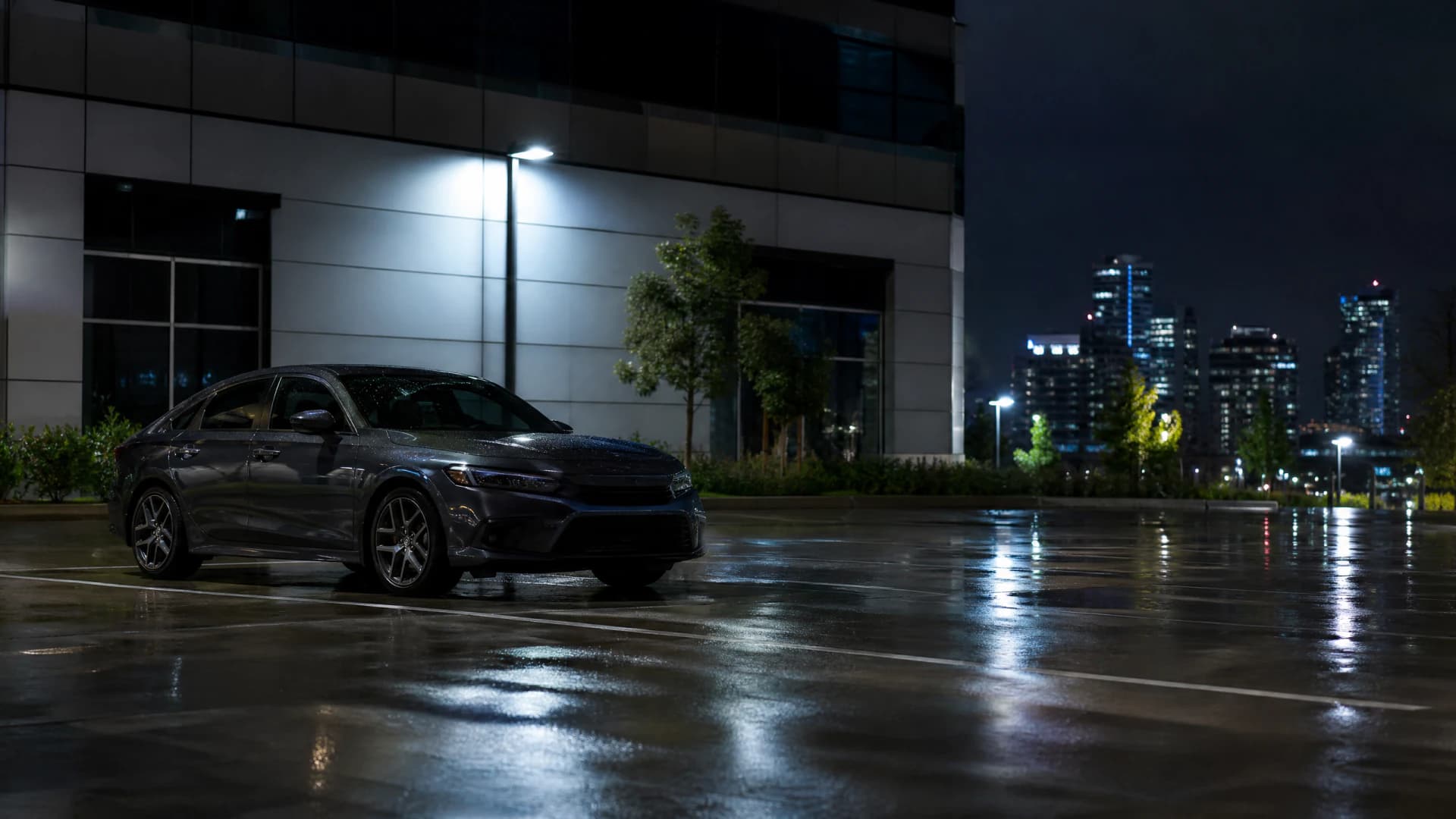
Minimum liability leaves every vehicle in your household unprotected. When one of your cars is damaged in an at-fault accident, stolen, or hit by an uninsured driver who flees, you pay the repair or replacement cost yourself.







How the Decision Scales Across Multiple Cars
The coverage decision is not binary for a multi-car household. You do not choose minimum or full for the entire policy — you choose the coverage level for each vehicle individually. The policy premium reflects the sum of each vehicle's coverage choices.
The conventional threshold: full coverage makes sense when the vehicle's value exceeds ten times the annual cost of adding collision and comprehensive to that car. Below that threshold, the coverage cost approaches the vehicle's replacement value over a few years, and self-insuring becomes more economical.
When you finance or lease a vehicle, the lender requires full coverage until the loan is paid off. This requirement applies per vehicle. If you finance Car A and own Car B outright, Car A must carry full coverage and Car B does not. When the loan on Car A is satisfied, you may drop collision and comprehensive on that car if its value no longer justifies the coverage cost. The lender does not care what coverage you carry on your other vehicles.
12 carriers
Carriers Writing Multi-Car Policies in MA
Twelve carriers in the Massachusetts roster write standard and non-standard auto policies for households insuring multiple vehicles. Rates vary significantly by carrier, vehicle, and coverage level. Comparing quotes across carriers is the only way to identify the lowest cost for your specific fleet.

Comparing Carriers for Multi-Vehicle Policies
Carriers price multi-car policies differently. Some apply a multi-car discount that reduces the per-vehicle premium when two or more cars sit on the same policy. The discount typically ranges from a modest percentage to a more significant reduction, but the base rate matters more than the discount percentage — a smaller discount on a lower base rate often beats a larger discount on a higher one. Allstate, Geico, Progressive, State Farm, and USAA all write multi-car policies in Massachusetts and advertise multi-car discounts, but their base rates and discount structures differ.
When comparing carriers, request quotes for the same coverage configuration on every vehicle. If you want full coverage on Car A and minimum liability on Car B, request that exact configuration from each carrier. Do not compare a full-coverage quote from Carrier X to a minimum-liability quote from Carrier Y — the coverage difference makes the comparison meaningless. The goal is to identify which carrier offers the lowest total premium for the specific coverage choices your household needs across all vehicles on one policy.
Next Step for Your Household
Decide the coverage level for each vehicle based on its value, your ability to replace it out of pocket, and whether it's financed. Request quotes from multiple carriers for that exact configuration. The Massachusetts car insurance requirements page provides the full minimum liability breakdown and mandatory coverage rules. Compare the total policy premium across carriers, confirm every vehicle is listed correctly, and select the policy that fits your household's fleet and budget.
What Full Coverage Adds Per Vehicle
Collision coverage pays to repair or replace a specific vehicle when it's damaged in an accident, regardless of fault. If you back Car A into a pole, collision covers Car A's repair. If another driver hits Car B and that driver is uninsured, collision covers Car B after you pay the deductible. Collision applies only to the vehicle it's purchased for — adding it to Car A does not protect Car B. Comprehensive coverage pays to repair or replace a specific vehicle when it's damaged by something other than a collision: theft, vandalism, fire, flood, hail, hitting a deer, or a tree falling on the car. Like collision, comprehensive applies only to the vehicle it's purchased for.
When you add full coverage to multiple vehicles, you choose a deductible for each coverage on each car. A $500 or $1,000 deductible is common. The deductible is the amount you pay out of pocket before the coverage pays the rest. The deductible applies per claim, per vehicle. If two cars are damaged in the same storm, you pay the deductible twice.
Get Your Free Quote
Get My Massachusetts Car Insurance QuoteFrequently Asked Questions
Can I carry full coverage on one car and minimum liability on another in Massachusetts?
Yes. When you insure multiple vehicles on one policy in Massachusetts, you choose the coverage level for each car individually. A household with three cars might carry full coverage on the newest vehicle and minimum liability on the other two. The policy premium reflects the sum of each vehicle's coverage choices.
Does Massachusetts minimum liability cover my own car if I cause an accident?
No. Massachusetts minimum liability covers bodily injury and property damage you cause to others. It does not cover damage to your own vehicle. If you cause an accident and your car is damaged, you pay the repair or replacement cost out of pocket unless you carry collision coverage on that vehicle.
What is the multi-car discount in Massachusetts?
The multi-car discount reduces the per-vehicle premium when you insure two or more cars on the same policy. The discount amount varies by carrier. Most carriers in Massachusetts offer a multi-car discount, but the base rate matters more than the discount percentage when comparing total cost.
Do I need full coverage on a financed car in Massachusetts?
Yes. Lenders require full coverage (collision and comprehensive) on any financed or leased vehicle until the loan is paid off. This requirement applies per vehicle. If you finance one car and own another outright, only the financed car must carry full coverage.
When should I drop full coverage on an older car?
Drop full coverage when the vehicle's value falls below ten times the annual cost of collision and comprehensive on that car. At that threshold, self-insuring becomes more economical.
Does comprehensive coverage protect all cars on my policy?
No. Comprehensive coverage applies only to the specific vehicle it's purchased for. If you add comprehensive to Car A, it protects Car A from theft, vandalism, and weather damage. It does not protect Car B unless you also add comprehensive to Car B.